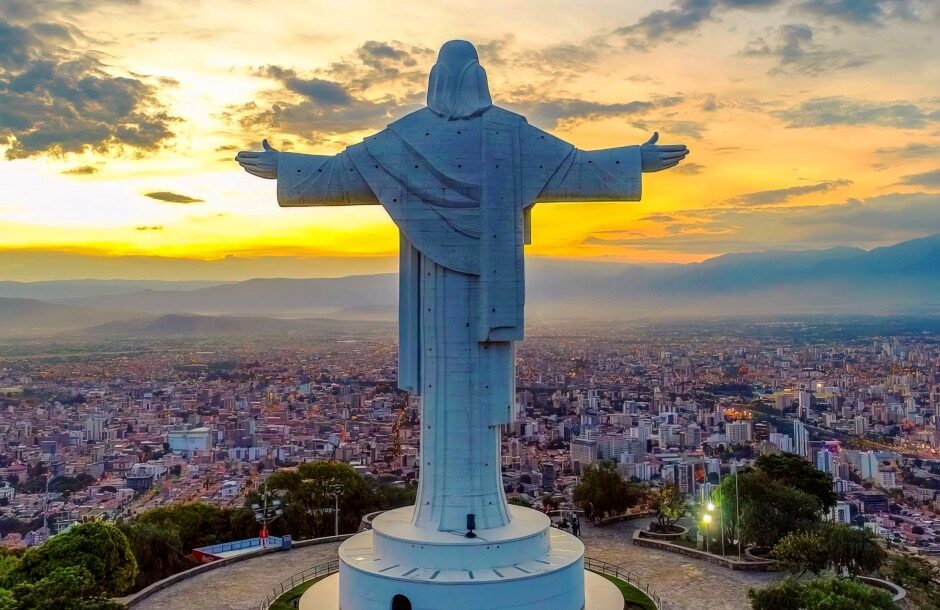
Best Cities in Bolivia: Santa Cruz vs Cochabamba vs La Paz (2026)
Bolivia has three cities that matter for expats: Santa Cruz de la Sierra, Cochabamba, and La Paz. Each one is a completely different experience. Different climate, different altitude, different cost of living, different lifestyle. Picking the right one is not just a preference question. It affects your daily comfort, your health, your budget, and how easy or difficult your transition to Bolivian life will be.
I have been based in the Southern Cone for over four years and have spent time in all three cities. Most of the people I work with end up in Santa Cruz, and there are good reasons for that, but the other two have real advantages depending on what you are looking for. This is a direct comparison based on what actually matters when you are living somewhere, not visiting.
Santa Cruz de la Sierra
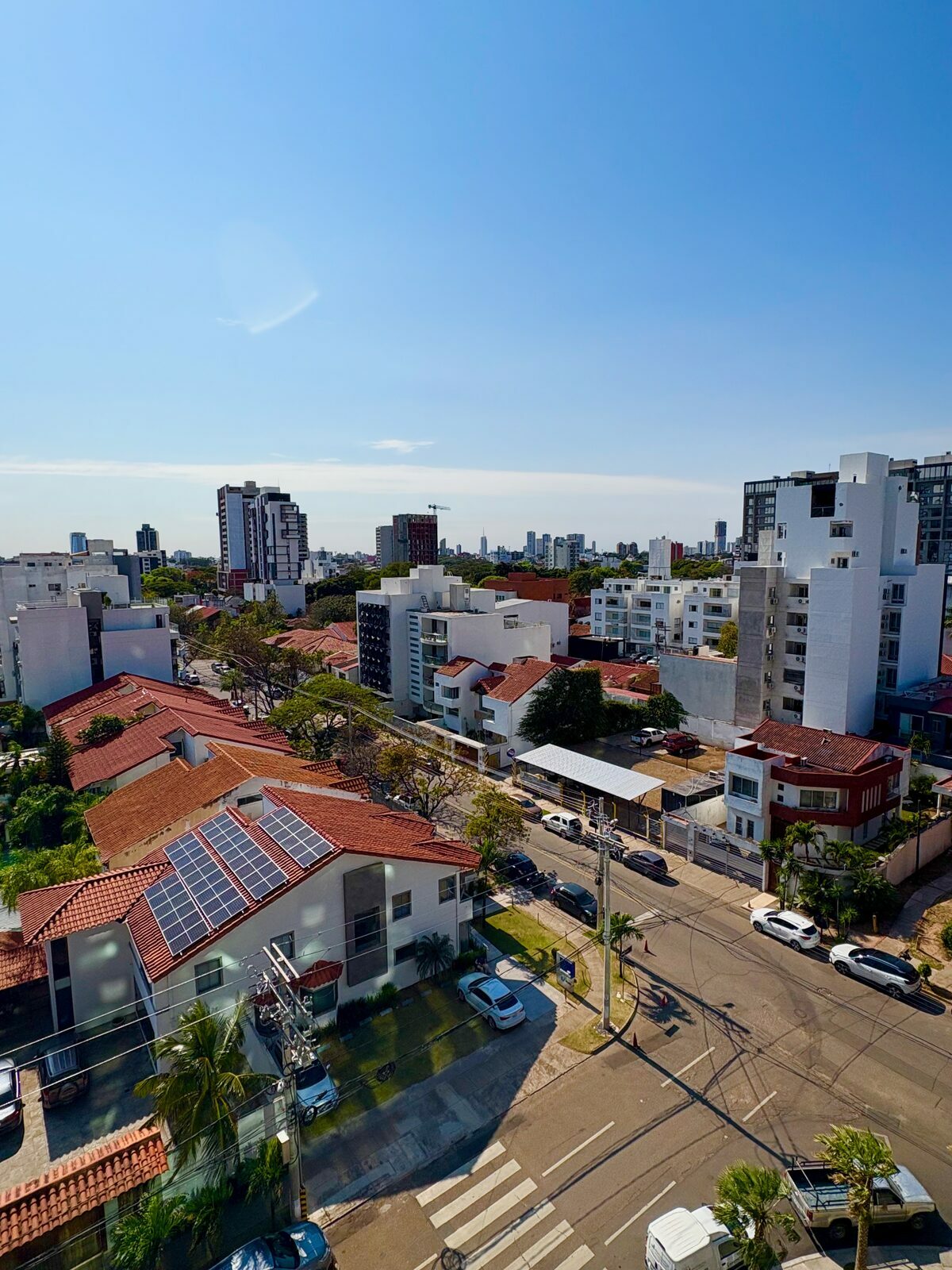
Santa Cruz is the largest city in Bolivia, the economic capital, and the city where most expats end up. It sits at roughly 400 meters elevation in the tropical lowlands of eastern Bolivia. The weather is warm to hot year round. If you are coming from the US or Europe, Santa Cruz will feel the most familiar in terms of infrastructure and convenience.
Neighborhoods. The best area for foreigners is Equipetrol. It is centrally located, safe, walkable by Santa Cruz standards, and has the highest concentration of restaurants, cafes, and services that cater to a more international crowd. Rent for a furnished one-bedroom apartment in Equipetrol runs $300 to $500 per month. Sirari and San Carlos, both adjacent to Equipetrol, offer similar quality at slightly lower prices.
Urubo is a suburban development about 20 minutes outside the city center. It is quieter, greener, and popular with families. Rent is comparable to Equipetrol but you get more space. The tradeoff is that you need a car or regular taxi use, and you are further from the city’s commercial center.
Las Palmas is another solid option, sitting between the second and fourth ring roads. It attracts a mix of Bolivian professionals and expats who want a residential feel without being as far out as Urubo.
Cost of living. A comfortable lifestyle in Santa Cruz runs $1,000 to $1,500 per month for a single person. Rent is the biggest line item at $300 to $500 for a nice furnished apartment in a good area. Groceries run $150 to $250 per month. Eating out is cheap: a full meal at a local restaurant costs $3 to $5, and even the nicer restaurants rarely exceed $15 to $20 per person. Private health insurance runs $50 to $200 per month depending on the plan. A doctor visit is $10 to $30.
Climate. Tropical lowlands. Warm to hot year round, with temperatures regularly hitting 30 to 35 degrees Celsius (86 to 95 Fahrenheit) in summer. Winters (June through August) are milder, around 15 to 25 degrees Celsius, with occasional cold fronts called surazos that can drop temperatures sharply for a few days. Humidity is moderate to high. If you do not like heat, Santa Cruz will test you from October through March.
Pros. Largest expat community in Bolivia. Best infrastructure (modern apartments, reliable internet, delivery apps). Easiest city for the residency process (the DIGEMIG office here moves faster than other cities). No altitude issues. Warm weather year round. Most international flights connect through Santa Cruz.
Cons. The heat is real and it is year round. The city is spread out and not very walkable outside of a few neighborhoods. Public transportation is limited, so you will rely on taxis and ride apps. It is the most expensive city in Bolivia (though still cheap by any international standard). And culturally, Santa Cruz is the most “commercial” of the three cities. It does not have the historical depth of La Paz or the charm of Cochabamba.
Cochabamba
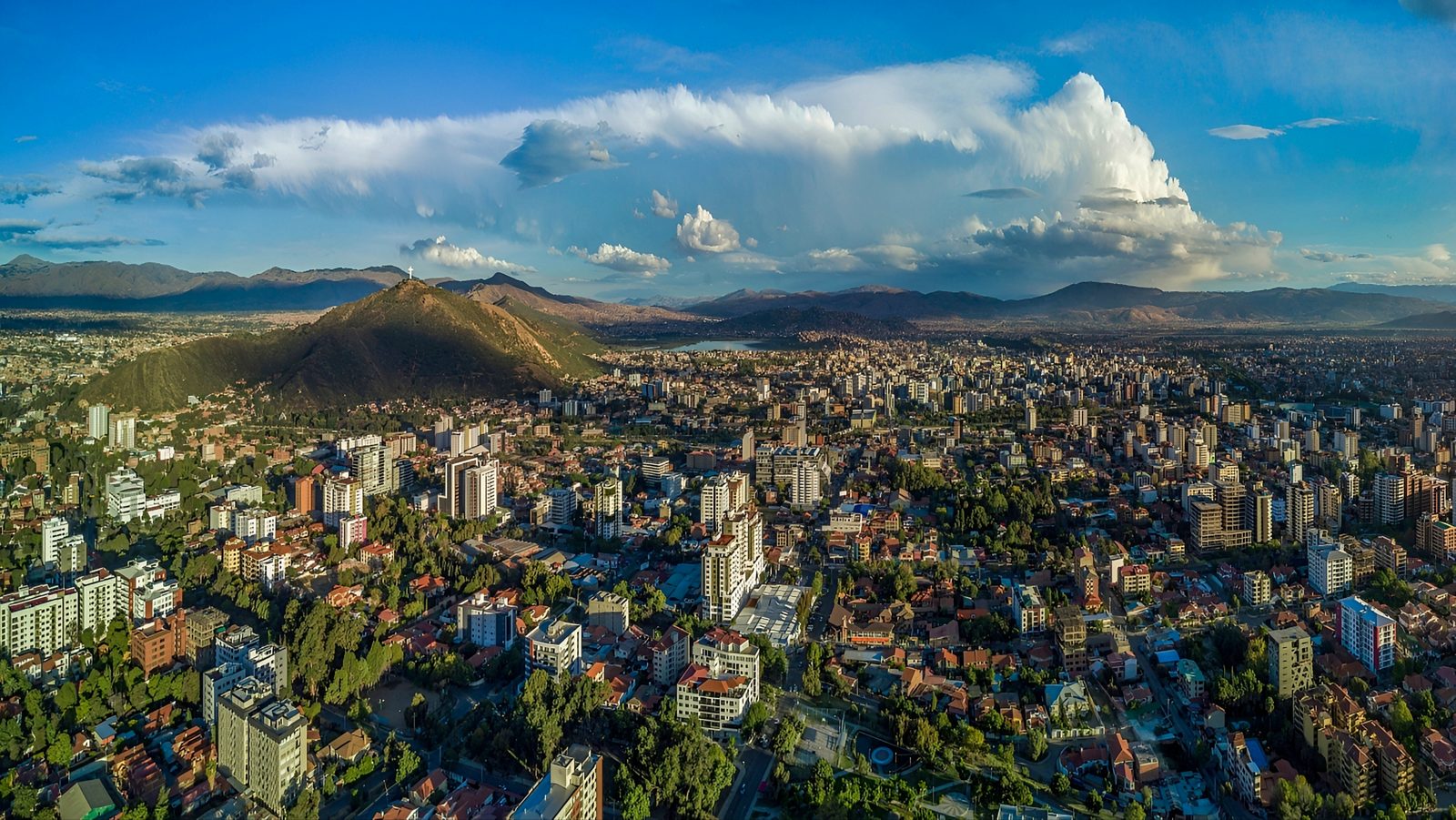
Cochabamba is Bolivia’s fourth largest city and sits in a fertile valley in the Andes at about 2,500 meters (8,200 feet) elevation. It is known for two things: the best climate in Bolivia and the best food. Bolivians themselves call it the “City of Eternal Spring.”
Neighborhoods. Cala Cala is the go-to neighborhood for foreigners. It is a mixed residential and commercial area with modern apartments, restaurants, shops, and services. Roughly a thousand expats from various countries live in Cala Cala, making it the closest thing Cochabamba has to an international community. Rent for a nice apartment runs $200 to $400 per month.
Queru Queru, La Recoleta, and Sarco are also worth considering. These neighborhoods are in the northern half of the city, which is the wealthier, safer, and better-maintained side. Mayorazgo and Lomas de Aranjuez are quieter residential options for families. The general rule is simple: stay north of the city center and you will be in a good area.
Cost of living. Cochabamba is cheaper than Santa Cruz. A comfortable lifestyle runs $800 to $1,200 per month for a single person. Rent is the big difference: $200 to $400 for a nice apartment, compared to $300 to $500 in Santa Cruz. Groceries are slightly cheaper because Cochabamba is surrounded by agricultural land and fresh produce is abundant and inexpensive. A couple can live well on $1,200 to $1,800 per month.
Climate. This is Cochabamba’s biggest selling point. The valley location at 2,500 meters creates a mild, spring-like climate year round. Daytime temperatures hover between 15 and 25 degrees Celsius (60 to 77 Fahrenheit) with plenty of sunshine. Nights are cool but not cold. There is a rainy season (November through March), but even during the rains, the mornings are usually clear and sunny.
The altitude is noticeable if you are coming from sea level. At 2,500 meters, most people adjust within a few days. You might feel slightly short of breath or get a mild headache during the first day or two. It is nothing like La Paz, where the altitude is a genuine health consideration.
Pros. Best climate in Bolivia, hands down. Lower cost of living than Santa Cruz. Excellent food scene (Cochabamba is the culinary capital of Bolivia). Smaller city with a more relaxed pace. The altitude is moderate enough that most people adjust quickly. Strong sense of community.
Cons. Smaller city means fewer services and less international infrastructure. The expat community is smaller and more scattered than Santa Cruz. Internet reliability can be inconsistent in some neighborhoods. Fewer direct flights (most international connections go through Santa Cruz or La Paz). The residency process can move slower here than in Santa Cruz because the local DIGEMIG office handles fewer cases. If you do not speak at least some Spanish, daily life in Cochabamba will be harder than in Santa Cruz, where more people speak English.
La Paz
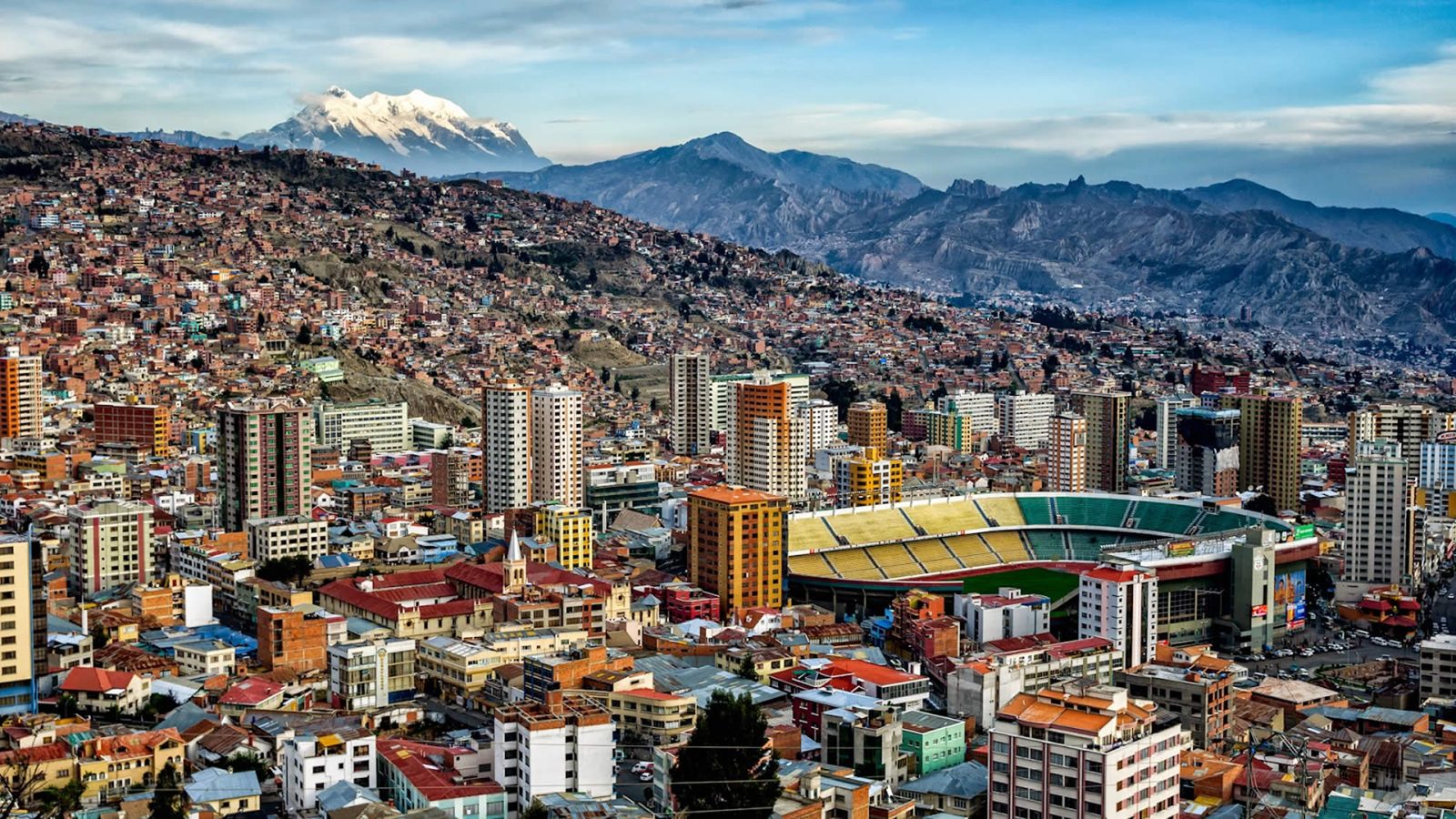
La Paz is Bolivia’s administrative capital and the city most people picture when they think of the country: steep hillsides, colonial architecture, indigenous markets, and dramatic mountain views. It sits at approximately 3,640 meters (11,940 feet) elevation, making it the highest administrative capital in the world.
Neighborhoods. Sopocachi is the most popular neighborhood for foreigners in La Paz. It is central, walkable, and has a good mix of restaurants, cafes, and cultural venues. Rent runs $350 to $500 per month for a nice apartment. The Zona Sur (southern zone) neighborhoods of San Miguel, Calacoto, and Obrajes are at a slightly lower altitude than the city center and are more residential. These areas are quieter and greener, with rent from $200 to $600 depending on the specific area and apartment quality.
Cost of living. La Paz is comparable to Cochabamba in cost and slightly cheaper than Santa Cruz. A single person can live comfortably on $800 to $1,200 per month. Rent in Sopocachi runs $350 to $500. In the outer neighborhoods of the Zona Sur, you can find places for $200 to $350. Groceries run $120 to $200 per month.
Climate. This is where La Paz becomes a dealbreaker for some people. At 3,640 meters, the climate is cool to cold year round. Daytime temperatures range from 8 to 17 degrees Celsius (46 to 63 Fahrenheit). Nights are cold, regularly dropping to near freezing. And this is not just a winter thing. La Paz is cool year round because of the altitude.
The altitude itself is the bigger issue. At 3,640 meters, you will feel it the moment you step off the plane. Headaches, shortness of breath, fatigue, and difficulty sleeping are common during the first few days. Most healthy people acclimatize within a week, but some people never fully adjust. If you have any cardiovascular or respiratory conditions, get medical advice before committing to La Paz. The altitude is not a minor inconvenience. It is a genuine health factor that affects your daily energy levels, your ability to exercise, and your sleep quality.
Pros. The most culturally rich city in Bolivia. Stunning geography and architecture. Strong arts and music scene. More cosmopolitan and politically engaged than Santa Cruz. Good walkability in the central neighborhoods. Lower cost of living. If you love mountains, cold weather, and a city with deep historical character, La Paz delivers.
Cons. The altitude is serious and non-negotiable. You either handle it or you do not. The cold is year round, not seasonal. Infrastructure is older and less modern than Santa Cruz. The city is built on steep hillsides, which means walking anywhere involves significant uphill effort (compounded by the altitude). Pollution can be a problem, particularly from vehicle emissions in the narrow canyon streets. And for the residency process specifically, the DIGEMIG office in La Paz tends to be slower and more bureaucratic than Santa Cruz.
Trying to figure out which Bolivian city actually fits your situation? We get clients Bolivia residency in Santa Cruz, fast, and walk people through where to actually live once the cedula is in hand. Reach out to us here.
Which City Should You Pick?
This is less about which city is “best” and more about which city fits your specific situation.
Pick Santa Cruz if you want the easiest transition from a Western lifestyle, the largest expat community, the best infrastructure, zero altitude issues, and the fastest residency processing. Most people who are relocating to Bolivia with remote income or as retirees should default to Santa Cruz unless they have a specific reason to choose otherwise. It is the safest, most convenient choice.
Pick Cochabamba if climate is your top priority, you want lower costs than Santa Cruz, you are comfortable with a smaller city and fewer English speakers, and you do not mind moderate altitude. Cochabamba is the hidden gem of Bolivia. It has the best weather, the best food, and a pace of life that is genuinely relaxed without feeling isolated. It is also a strong choice for retirees who want affordability and comfort without the heat of Santa Cruz.
Pick La Paz if you are drawn to culture, history, and mountain landscapes, you handle altitude well (or have tested it previously), you prefer cooler weather, and you value a walkable urban environment. La Paz is the most “interesting” city in Bolivia, but it comes with real tradeoffs in comfort and health. Do not move to La Paz without spending at least a few weeks there first to see how your body handles the altitude.
One practical note: you do not have to commit to one city forever. Bolivia is a small country and domestic flights between the three cities are cheap ($50 to $100 one way) and frequent. Plenty of people get their residency done in Santa Cruz, spend a few months there, and then move to Cochabamba or split time between cities. Your residency is national, not tied to a specific city.
If you are getting residency done in Bolivia, I recommend doing the process in Santa Cruz regardless of where you plan to live. The DIGEMIG office there is the most efficient, the lawyers we work with are based there, and the logistics are smoother. Once your residency is approved and your cedula is in hand, you can live anywhere in the country.
We get clients Bolivia residency in Santa Cruz quickly, working directly with our lawyer team there. Whichever city you settle in afterward, we’ll walk you through what to expect. Reach out to us here to get started.