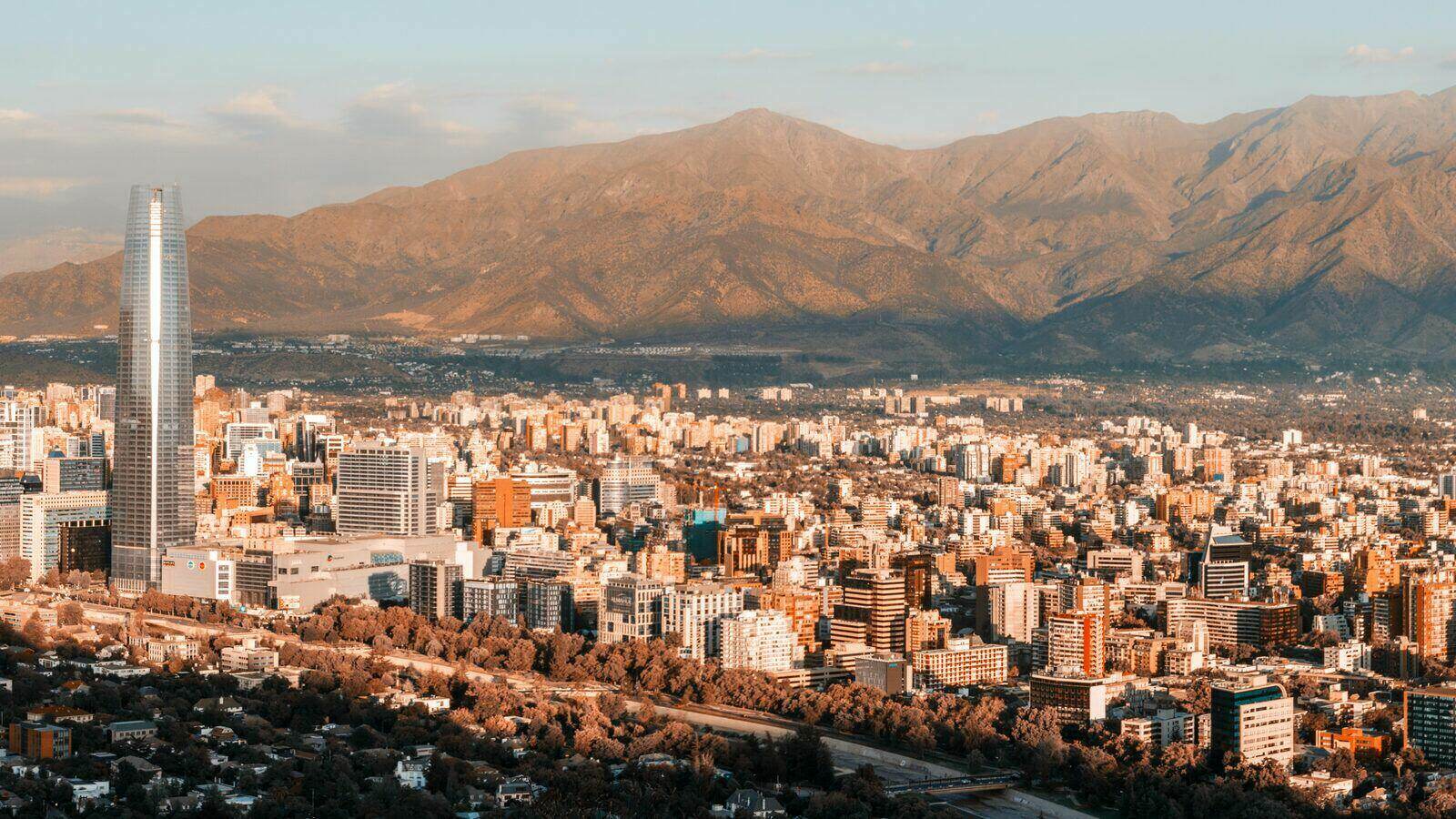
Santiago for Digital Nomads: The Honest 2026 Guide
Santiago rarely gets the same digital-nomad attention as Buenos Aires, Medellín, or Mexico City. It costs more, winter air quality can be rough, and the city does not hand you an instant nomad community when you arrive.
It does a lot of practical things better. The internet works. The metro covers the neighborhoods where you are likely to live. Card payments are normal. Private healthcare is excellent by regional standards. Flights connect you to the rest of Chile, Argentina, Peru, Brazil, and North America.
For someone who wants a functioning city, mountain access, and a serious long-term residence option, Santiago deserves a look.
The immigration and tax rules need to be understood first. Chile still has no dedicated digital nomad visa, and remote work performed from Chile can be Chilean-source income even when the client or employer is abroad.
Here is the full 2026 picture.
Does Chile have a digital nomad visa?
Chile does not have an explicit digital nomad visa as of August 2026.
Short-term visitors enter under Permanencia Transitoria. SERMIG says holders of that status cannot normally perform remunerated activity. Its exceptional work authorization is aimed at specific, occasional work such as a conference, performance, sports event, or technical assignment. It is not designed as an open-ended permit for a laptop worker living in Providencia.
For a longer stay, the main residence categories that can matter are:
Activities lícitas remuneradas: Temporary residence tied to lawful paid activity. The published employee route expects a Chilean employer or Chilean branch. The self-employed route expects a service contract of more than 90 days with a Chilean citizen or a foreigner who holds permanent residence.
Jubilados y rentistas: Temporary residence for pensioners and people receiving regular income from real estate or financial assets. Salary, freelance invoices, and ordinary operating-business income do not automatically fit.
Family or treaty routes: Available where the applicant has a qualifying relationship or nationality.
A remote employee with a US company and no Chilean contract does not slide cleanly into the published work route. A freelancer with only foreign clients has the same issue. Before staying beyond an ordinary visit, get the residence category reviewed on its actual documents.
My guide to the Chile rentista residence covers the passive-income route in detail. The broader Chile digital nomad visa guide explains the current category problem.
The tourist-status problem
Many nomads arrive, rent an apartment, work online, and assume that a foreign employer keeps the activity outside Chile’s rules.
SERMIG’s published position is straightforward: a person with Permanencia Transitoria cannot perform remunerated activities unless they receive the specific exceptional authorization. That authorization can cover money earned in Chile or abroad, but only for the limited activities described by the rule.
Enforcement against ordinary laptop work may look light in daily life. That does not give the arrangement a clean legal foundation.
If Santiago is a one-month stop, this may remain a practical risk question. If you are signing a year lease, seeking permanent residence, or telling another country that Chile is your new home, use a status that fits the activity.
The tax rule remote workers need to know
Chile gives foreign individuals a useful initial tax period. During the first three years counted from entry, a foreigner who becomes domiciled or resident in Chile is taxed only on Chilean-source income. The SII can extend the period in qualified cases.
The phrase “foreign-source income” is where people get into trouble.
Chile’s income tax law treats income from activities developed in Chile as Chilean-source. The SII has ruled directly on telework: when a foreign individual moves to Chile and performs the work physically from Chile, the salary or fee is Chilean-source even if the employer is abroad and the payment arrives in a foreign account.
The three-year rule can protect genuinely foreign investment income. It does not automatically shelter consulting, coding, design, or employment work done from an apartment in Santiago.
A remote worker should assume there is a Chilean tax question from the beginning. The answer depends on employment status, treaties, days in Chile, domicile, foreign tax paid, and whether a local registration or filing is required.
This is one of the clearest differences between Chile and a low-presence Plan B. Santiago works well as a real home, and treating it as a casual zero-tax remote-work base creates problems.
What Santiago costs in 2026
Santiago is cheaper than a major US city and more expensive than Santa Cruz, Asuncion, or most of Argentina outside the best parts of Buenos Aires.
A comfortable single-person budget is roughly CLP 1.3 million to CLP 2.2 million per month, around $1,400 to $2,350 at recent exchange rates.
| Expense | Monthly range |
|---|---|
| Furnished one-bedroom | CLP 600,000 to 950,000 |
| Utilities and home internet | CLP 90,000 to 160,000 |
| Groceries | CLP 220,000 to 350,000 |
| Restaurants and coffee | CLP 150,000 to 300,000 |
| Metro, buses, and Uber | CLP 60,000 to 150,000 |
| Coworking or occasional office use | CLP 100,000 to 300,000 |
| Health insurance or private medical budget | CLP 80,000 to 250,000 |
The rent range assumes Providencia, Ñuñoa, or a comparable neighborhood. Short leases and furnished units sit toward the top. A local 12-month lease can be cheaper, but owners often ask for Chilean income evidence, a guarantor, a local RUT, and a security deposit.
Current Providencia listings on Portal Inmobiliario give a better real-time check than a generic cost-of-living calculator. Look at the building’s common expenses too. Chilean listings often quote them separately, and they can add CLP 80,000 to 200,000 per month.
Where to live
Providencia: the default answer
Start in Providencia.
It has the best balance of metro access, restaurants, cafes, supermarkets, gyms, green space, coworking, and normal street life. You can live without a car and get to Las Condes, Santiago Centro, or Ñuñoa quickly.
The areas around Pedro de Valdivia, Los Leones, Manuel Montt, and Tobalaba are especially easy for a first month. Tobalaba is busier and more corporate. Manuel Montt has more bars and late-night noise. The quieter streets between the major avenues give you the convenience without living directly over it.
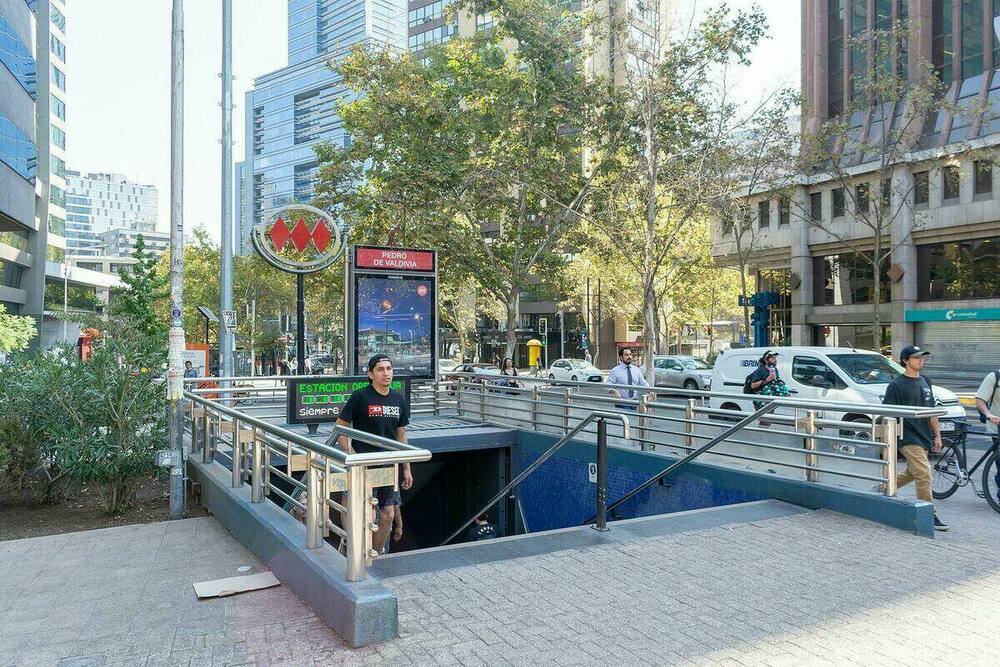
A furnished one-bedroom usually falls between CLP 650,000 and 950,000 before common expenses.
Ñuñoa: better value and a more local feel
Ñuñoa is my second choice. It feels more residential and more Chilean than the business corridor running through Las Condes. The restaurant scene around Plaza Ñuñoa and Barrio Italia is good, and Line 3 and Line 6 make much of the commune easier than it used to be.
You can find a newer one-bedroom around CLP 500,000 to 750,000, with furnished units above that. Check the exact distance to a metro station. A map can make two Ñuñoa apartments look similar while one creates a 25-minute walk every time you leave home.
Las Condes: polished and easy
Las Condes works for people who want newer buildings, corporate coworking, malls, private clinics, and a quieter environment.
El Golf and the western part near Tobalaba are well connected. Areas farther east become more car-dependent. Rent is usually higher than Providencia, and the neighborhood can feel sterile outside business hours.
Choose Las Condes if you work US hours, value a modern building, and care more about convenience than street life.
Vitacura: high-end and car-dependent
Vitacura has Santiago’s best restaurants, excellent parks, large apartments, and a very high quality of life. It also has limited metro coverage and some of the city’s highest rents.
It makes sense for a family, a high-income couple, or someone staying long enough to buy or lease a car. It is unnecessary for a solo nomad arriving for three months.
Santiago Centro: block by block
Centro is cheaper and puts you near historic architecture, markets, and several metro lines. Safety and building quality vary sharply by block.
I would not make it the default first stop. If you already know Santiago and have inspected the apartment and surrounding streets at night, the value can work. New arrivals are better off paying more for Providencia or Ñuñoa while they learn the city.
Internet and coworking
Fiber internet is widely available in modern buildings across Providencia, Ñuñoa, Las Condes, and Vitacura. Building availability matters more than the neighborhood name. Ask the host or landlord for the provider, plan, and a current speed test from inside the apartment.
Mobile data is easy to arrange, and coverage across the central city is good. Keep a phone hotspot ready for the occasional building outage.
Santiago has plenty of coworking, from local open desks to full WeWork offices. WeWork’s current Las Condes listings show private one-person offices from roughly CLP 263,000 per month on a longer commitment, before taxes and fees. Open-desk memberships and local spaces can cost less.
For one or two months, I would start with cafes and day passes. Coworking becomes worth paying for when you need calls, a dependable chair, or a social routine.
Getting around
The Metro and Red bus network make Santiago one of the easiest large cities in South America to live in without a car.
Providencia, western Las Condes, and well-connected parts of Ñuñoa give you the best daily setup. Red Movilidad integrates bus and metro trips under its fare system. Check the current official fares because they change.
Uber and Cabify are useful at night or for areas without a direct metro connection. Airport trips are straightforward, but use an authorized counter, scheduled transfer, or app rather than negotiating with people inside the arrivals hall.
A car becomes useful if you live in Vitacura, Lo Barnechea, or the eastern edge of Las Condes, or if weekend mountain trips are a major part of the plan. Parking and traffic make it a burden in central Providencia.
Banking and payments
Chile is easy for card payments. Supermarkets, restaurants, pharmacies, and ordinary retail take cards, and contactless payment is common.
Opening a full local bank account becomes easier once you have temporary residence, a Chilean cedula, and a RUT. Banks apply their own income and compliance checks. A residence card does not guarantee approval.
For a short stay, a low-fee foreign card and a backup card are enough. Keep some pesos for small markets and situations where a foreign card fails. Decline dynamic currency conversion and pay in Chilean pesos.
For a long-term move, local banking helps with leases, utilities, tax payments, and proof of life in the country. Build it after the residence documents are in place.
Healthcare
Santiago has some of the strongest private healthcare in Latin America. Clínica Alemana, Clínica Las Condes, UC CHRISTUS, and other large providers offer specialists and modern facilities.
Private care is more expensive than Bolivia or Paraguay and still far below typical US cash prices for many routine services. A long-term resident should compare an ISAPRE plan, FONASA eligibility, local private insurance, and international coverage based on age and medical history.
Short-term nomads should carry travel or international medical insurance that covers outpatient care, hospitalization, and evacuation where needed. Read the exclusions. A cheap policy that excludes pre-existing conditions can be nearly useless for the person most likely to need it.
Weather and air quality
Santiago has dry, hot summers and cool winters. Apartments can feel colder than the outside temperature because insulation and central heating vary.
Winter air pollution is a real downside. The basin traps pollution, especially during stagnant weather from May through August. People with asthma or other respiratory issues should check air quality before committing to a winter stay and choose a building with good sealing and heating.
Spring and autumn are the best seasons for a first visit. You get comfortable temperatures, clearer views, and easier access to wineries, hiking, and the coast.
The social side
Santiago does not have the automatic nomad scene of Medellín or Buenos Aires. People build social lives through work, sports, language exchange, climbing, hiking, and existing friend groups.
Spanish matters. You can get through a week in the polished parts of Providencia and Las Condes with limited Spanish. Building a normal life is much easier once you can hold a conversation.
This is a good city for independent people who already have work and want reliable daily infrastructure. Someone choosing a destination mainly for instant community may find it slow.
Who should pick Santiago
Santiago works well if you want:
- Reliable infrastructure and strong internet
- Excellent private healthcare
- Mountain, wine-country, and ski access
- A city that functions on cards and public transport
- A real path toward long-term residence
- A professional environment for focused work
Look elsewhere if you want:
- The cheapest base in South America
- A dedicated digital nomad visa
- Zero tax on work performed locally
- Warm weather all year
- A large ready-made nomad community
- A residence you can maintain with almost no presence
Buenos Aires wins on culture and social energy. Santa Cruz wins on cost. Asuncion wins on tax and low-maintenance residence. Santiago wins on infrastructure, mountains, and the general feeling that systems work.
My recommendation
Book the first month in Providencia, within a 10-minute walk of Line 1. Do not sign a long lease yet.
Use that month to test your work hours, building noise, winter heating or summer cooling, commute, and the exact neighborhood. Visit Ñuñoa and Las Condes before deciding where to stay longer.
If the plan extends beyond an ordinary visit, solve the immigration category and tax treatment before telling banks, clients, or your former country that Chile is your permanent base.
If you are comparing Santiago with Buenos Aires, Asuncion, Montevideo, or Santa Cruz, reach out here. We can help you compare the residence and lifestyle tradeoffs before you move.
Official sources
- SERMIG: temporary residence categories
- SERMIG: paid-activity temporary residence
- SERMIG: work authorization for temporary visitors
- SII: tax treatment during a foreigner’s first three years
- SII: internet services performed from Chile are Chilean-source income
- SII ruling on telework from Chile for a foreign employer
Cover image: “Santiago de Chile, Desde Cerro San Cristóbal” by Omnespsx, via Wikimedia Commons, CC BY-SA 4.0. Cropped and resized for web.

Mid-article image: “Metro Pedro de Valdivia, Providencia, Santiago 20230328” by Carlos yo, via Wikimedia Commons, CC BY-SA 4.0. Cropped and resized for web.
