Best Neighborhoods in Santa Cruz, Bolivia for Expats (2026)
Santa Cruz de la Sierra is where most expats in Bolivia end up, and within Santa Cruz, the conversation really comes down to four neighborhoods. The city is spread out and not walkable in the way that Buenos Aires or even Asuncion is, so where you live matters more here than in most Latin American cities. A bad neighborhood choice in Santa Cruz does not just mean a longer commute. It means daily friction with everything from grocery access to restaurant options to reliable internet.
I have been living in Santa Cruz since 2024. Here is where to look and where to skip.
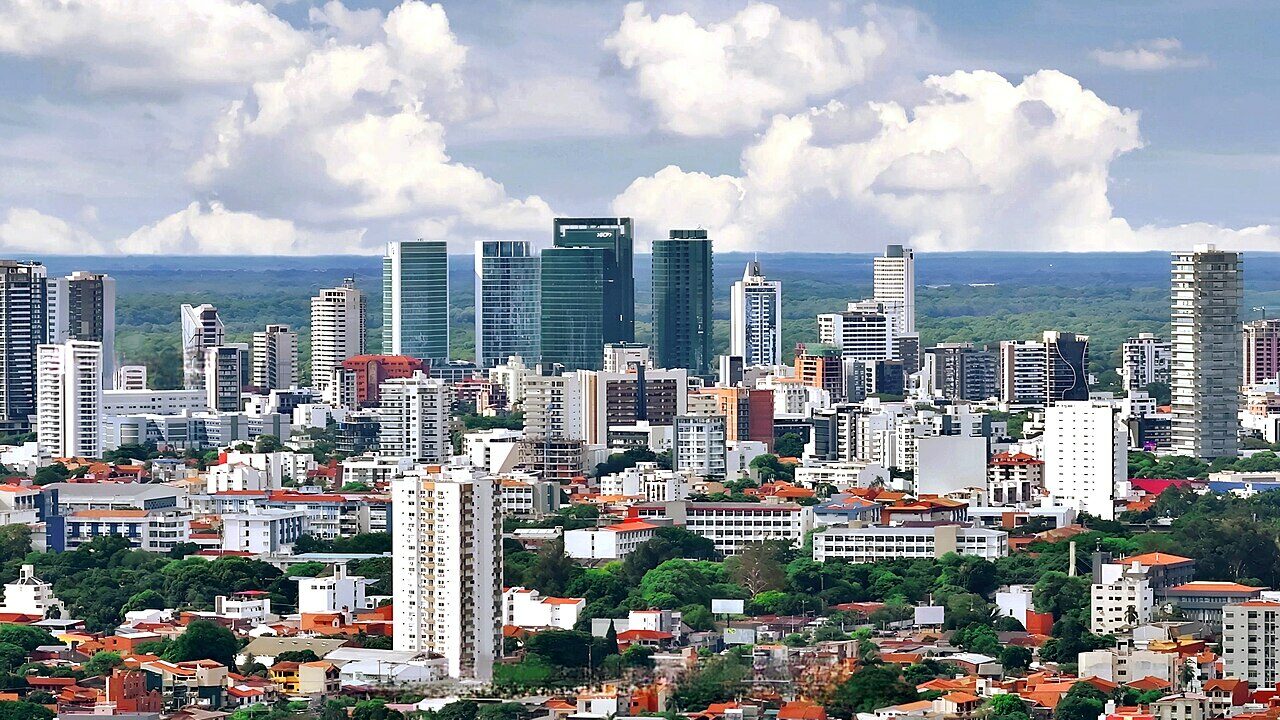
Equipetrol: start here
Equipetrol is the neighborhood I recommend to everyone arriving for the first time, and it is where I live. It is the most expensive area in Santa Cruz, which still means it is absurdly cheap by international standards.
This is where the best restaurants are. The widest, cleanest streets. The most greenery. The highest concentration of modern apartment buildings with amenities like pools, gyms, saunas, and coworking spaces. It is also the most walkable part of Santa Cruz, which matters in a city where walkability is generally poor.
A furnished one-bedroom apartment in a modern building in Equipetrol runs $300 to $500 per month on Airbnb. If you negotiate a monthly rate directly with a host or lock in a longer-term arrangement, you can get into a full-amenity building for as low as $350. If you have residency and sign a 12-month lease directly with a building, $500 gets you something excellent: 80 square meters, new construction, balcony, pool, gym, saunas, coworking space, 24/7 security, staffed front desk.
Equipetrol is not perfect. Restaurant variety, while the best in Santa Cruz, is limited compared to a city like Buenos Aires. The neighborhood is small enough that you will know every spot within a month. And because it is the nicest area, it can feel a bit removed from the broader Bolivian experience. But for someone arriving with no local knowledge who wants a comfortable base, there is no better starting point.
We wrote a full cost of living breakdown for Santa Cruz with real numbers on rent, food, transport, and a complete monthly budget.
Sirari: the smart second option
Sirari sits right next to Equipetrol and has been growing fast. Newer apartment buildings, modern construction, and a feel that is similar to Equipetrol without the premium pricing. You can knock $50 to $100 off your monthly rent by being in Sirari instead of Equipetrol, and you are still within a $1 Uber ride of everything Equipetrol has.
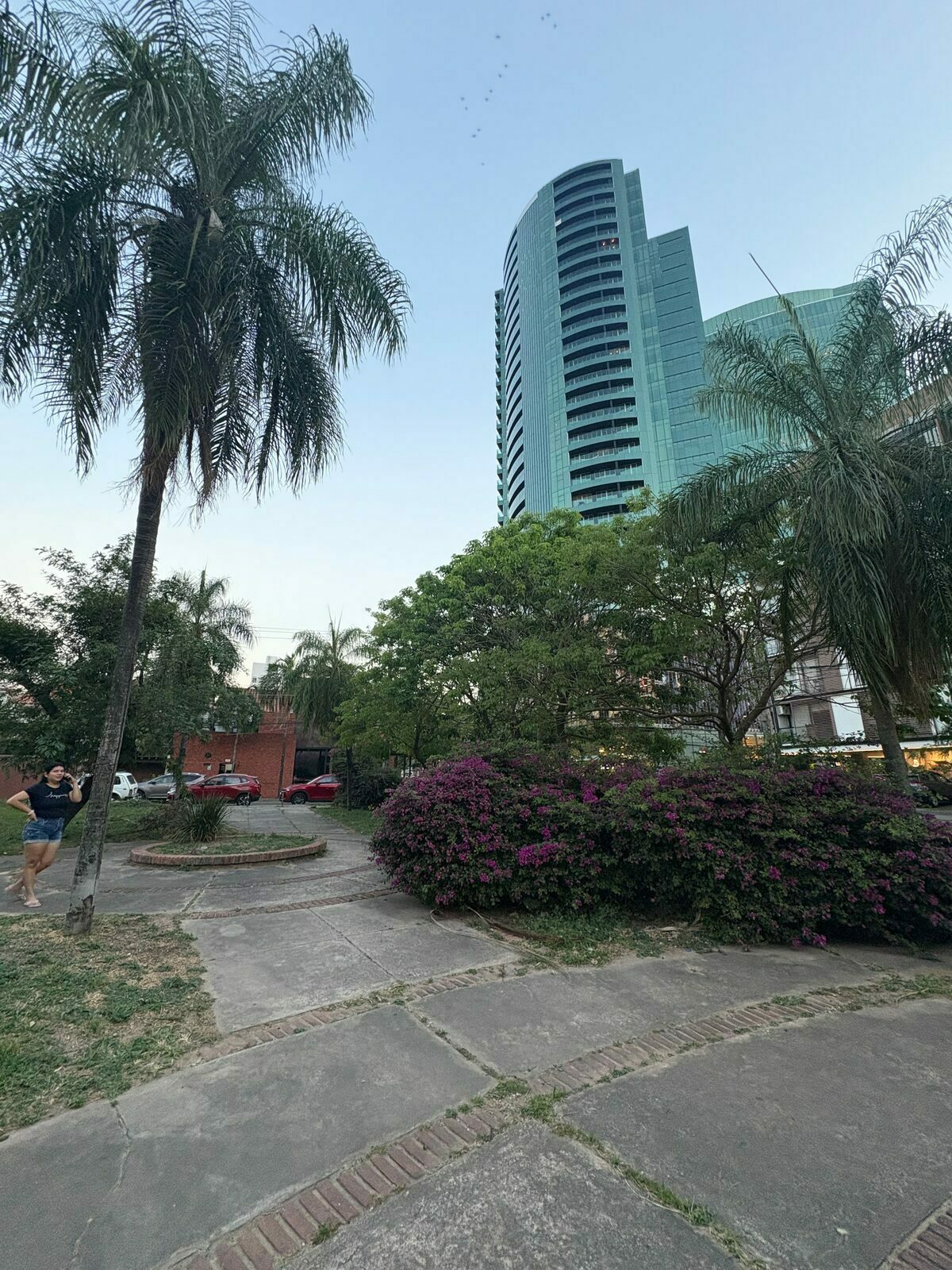
The tradeoff is that Sirari has fewer restaurants and cafes within walking distance. You are stepping outside the Equipetrol bubble, which means more Uber rides for dining and errands. The apartment buildings themselves are often just as good, sometimes newer and nicer, but the surrounding street life is thinner.
Who this is for. People who work from home most of the day and care more about apartment quality than neighborhood walkability. If you leave your building a couple of times a day for specific errands and meals, the savings make sense. Also a good option for people who have been in Equipetrol for a few months and want a bit more space for less money.
I send out occasional residency updates, rule changes, new pathways, and what I am seeing on the ground across the Southern Cone, to a separate list. This is not my real estate newsletter. It is residency-only, and there is no spam or fluff. If that is useful, drop your email and I will add you.
Las Palmas: the residential middle ground
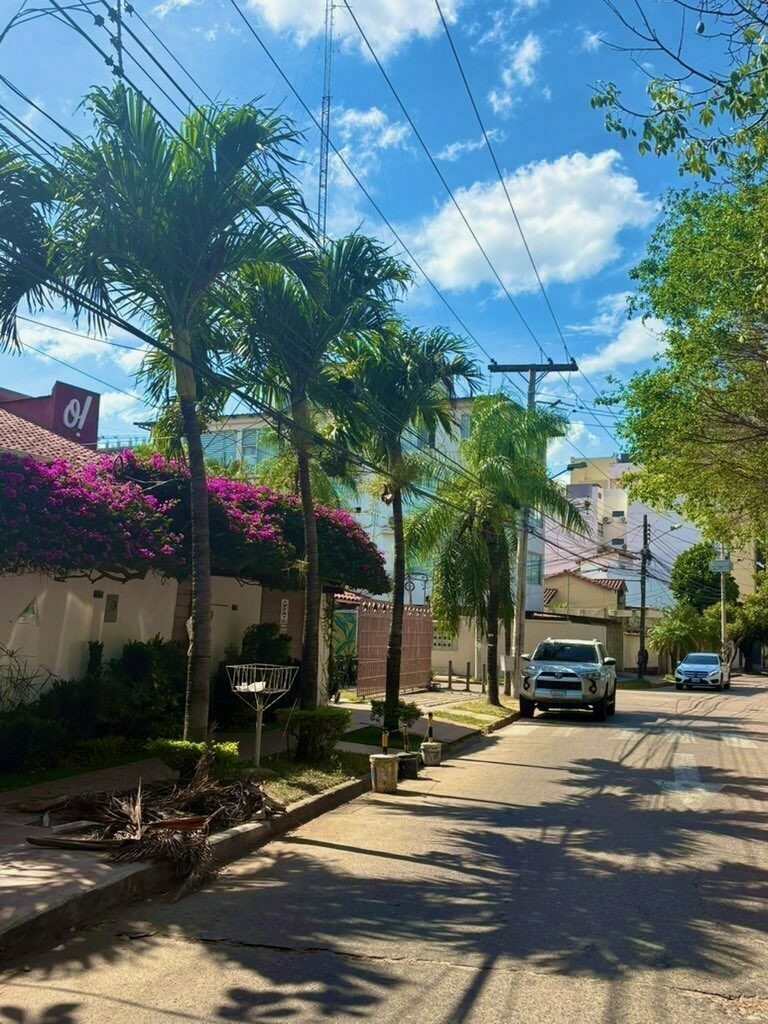
Las Palmas sits between the second and fourth ring roads and attracts a mix of Bolivian professionals and expats who want a residential feel without being as far out as Urubo. The area has modern apartment towers, is generally safe, and offers reasonable access to the rest of the city.
Rent here is comparable to Sirari or slightly lower. You get more space for your money and a quieter environment. The tradeoff is the same one that applies to everything outside Equipetrol: less walkability, fewer dining options nearby, more reliance on taxis and ride apps.
Who this is for. Couples and small families who want a residential neighborhood with modern apartments at a fair price. People who do not need nightlife or restaurant variety on their doorstep.
Urubo: the suburban family play
Urubo is not really Santa Cruz. It is a suburban development about 20 minutes outside the city center, and it operates on a completely different model. Gated communities, larger properties, green space, quiet streets. This is where Bolivian families with money buy houses, and it is where expat families with kids tend to gravitate once they have been in the country for a while.
You are not walking anywhere from Urubo. You need a car or regular taxi use for everything, and the commute into the city depends heavily on traffic. Weekend trips back into Equipetrol for dinner are common.
The upside is space. If you want a house with a yard, a pool, and room for kids to run around, Urubo delivers that at a fraction of what it would cost in any other country. Quintas (country houses with pools and gardens) in and around Urubo are available for rent or purchase at prices that would be unbelievable in the US or Europe.
Who this is for. Families with children who have been in Bolivia long enough to know the city and are ready to commit to a suburban lifestyle. Not recommended for first-time arrivals or people without a car.
Where not to live
The city center inside the first ring (Primer Anillo) is busy during the day and quiet at night. There is no practical reason for an expat to live there. The commercial districts along the major ring roads are loud and not residential. Beyond the fourth ring, infrastructure drops off and you are getting into areas that are less safe and less convenient.
The simple rule: stay in or near Equipetrol for your first few months. Branch out once you know the city.
Getting started
Bolivia residency takes about 90 days and costs roughly $2,000 all-in. No apostilled documents from your home country. We wrote a full comparison of Bolivia’s three main cities if you are still deciding between Santa Cruz, Cochabamba, and La Paz. And our guide to moving to Bolivia covers the residency process, taxes, and what to expect.
If you want to talk through the move, reach out to us here.