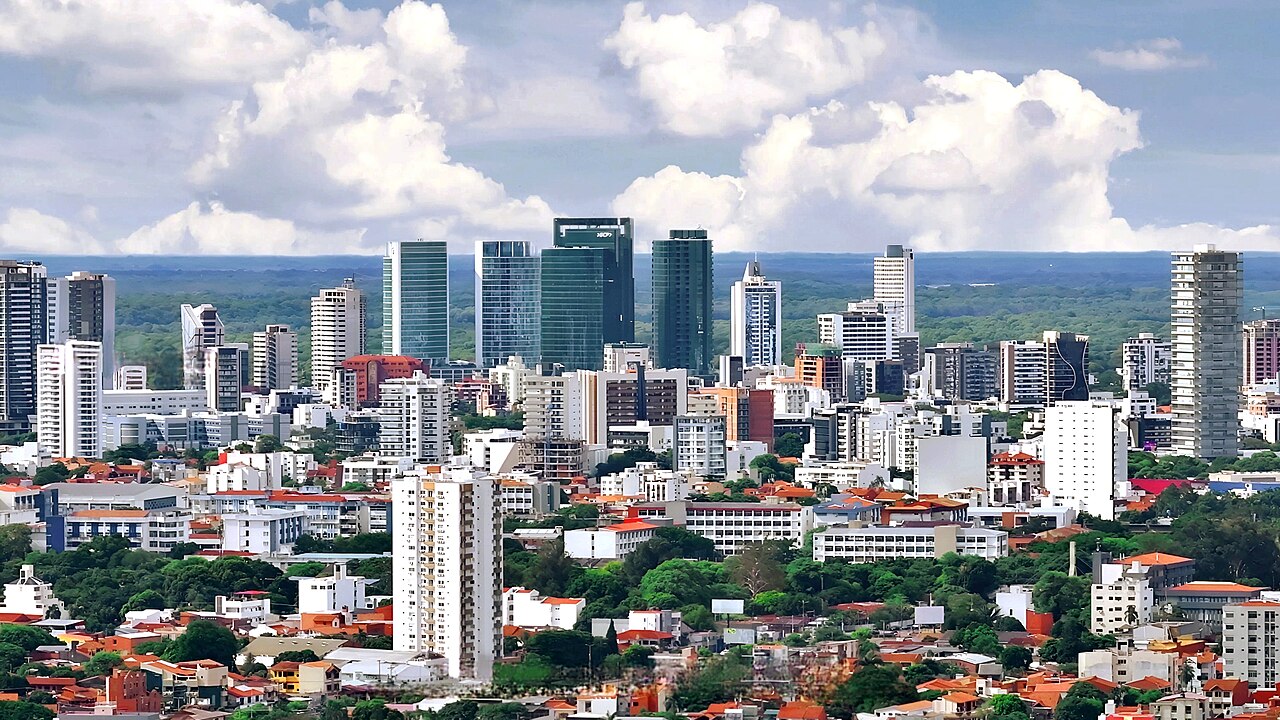
Bolivia Legalized Crypto: What It Looks Like in 2026
In June 2024, Bolivia’s Central Bank issued Resolution 082/2024 and lifted the country’s ban on cryptocurrency. Bolivia had been one of the last countries in the world to outright prohibit crypto transactions. That prohibition is gone. Banks can now offer crypto services. Individuals can legally buy, sell, and hold crypto assets. And the financial system has moved faster than almost anyone expected.
The crypto news sites covered the ban lift when it happened. Cointelegraph, Binance News, CCN. They reported the regulatory change and moved on. What none of them covered is what actually happened next on the ground, because none of them are here.
I am based in Santa Cruz de la Sierra. I have watched the crypto scene in this city go from technically illegal to fully operational in under two years. This is not a speculative “crypto-friendly country” story. This is what daily life looks like when a country integrates stablecoins into its banking system and its population actually uses them.
What Happened After the Ban Lifted
The Central Bank (BCB) worked with ASFI (the Financial System Supervisory Authority) and UIF (Financial Investigations Unit) to create a framework that authorized financial institutions to offer crypto services through regulated electronic channels. Crypto is not legal tender. You cannot pay your taxes in Bitcoin. But banks can custody it, individuals can trade it, and the transaction volume tells the story.
Within months of the ban lift, crypto transaction volume in Bolivia grew by over 500%. That number is not hype. It reflects what happened when a population that was already using crypto informally through peer-to-peer channels suddenly got legal access through their banks.
In October 2024, Banco Bisa, one of Bolivia’s largest banks, launched a USDT custody service. A major commercial bank offering Tether wallets to its customers. That is not a pilot program or a press release. It is a product you can use today. Other banks followed with similar integrations.
What It Looks Like in Santa Cruz
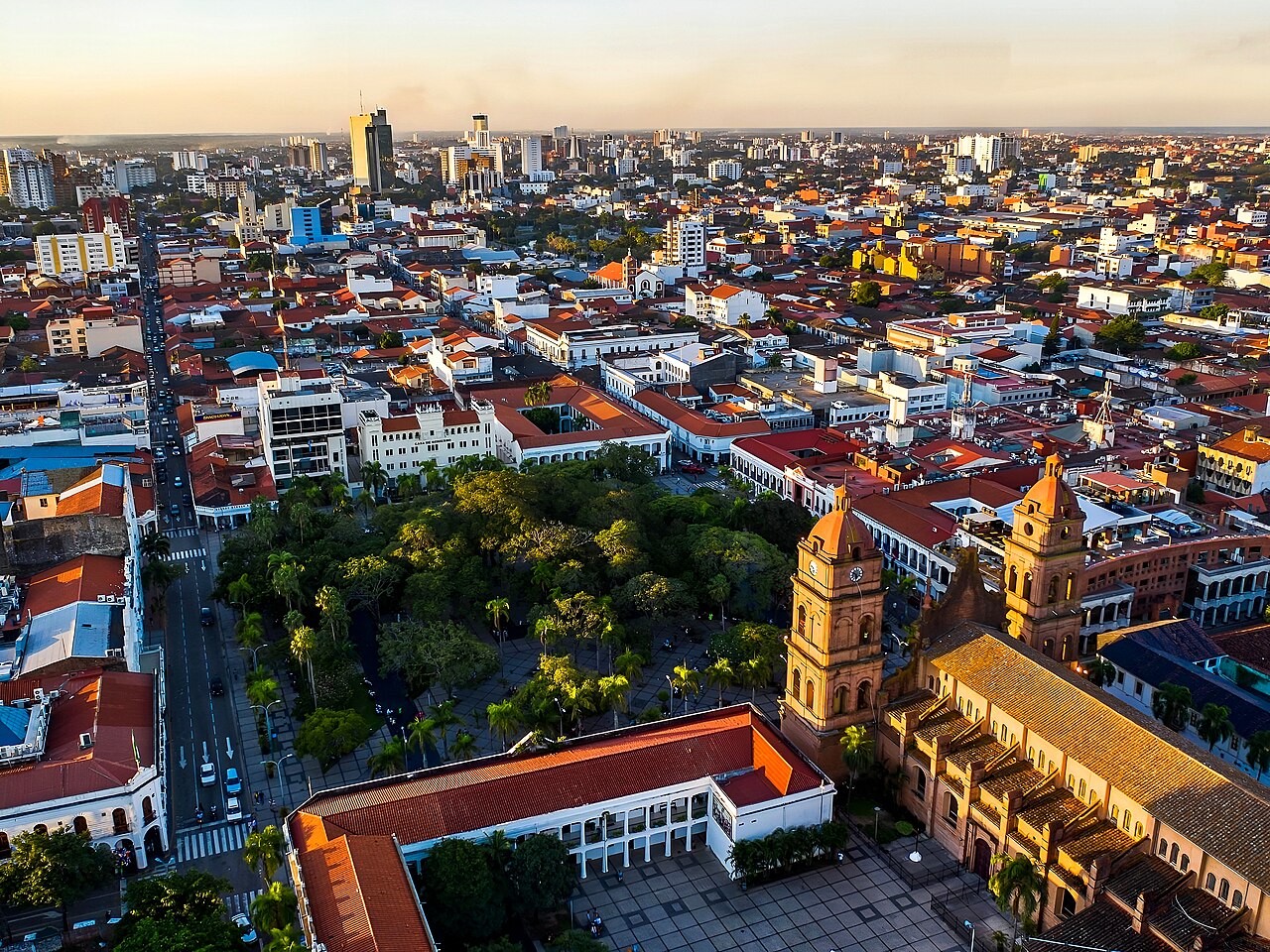
Santa Cruz is Bolivia’s economic capital and the city where most of the crypto activity is concentrated. Here is what the scene actually looks like.
USDT is everywhere. Locals, expats, business owners, freelancers. People hold USDT the way people in other countries hold dollars in a savings account. It is a stable store of value in a country where the local currency (the boliviano) has historically been pegged to the dollar but where people do not fully trust that peg to hold forever.
Converting USDT to bolivianos is routine. There are exchange services, peer-to-peer networks, and now bank-integrated channels that make the conversion seamless. You do not need to find a crypto-savvy friend or use a sketchy Telegram group. The infrastructure exists and it works.
Bank accounts come with crypto wallet functionality. This is the part that surprises people from the US or Europe. When you open a bank account at certain Bolivian banks, the crypto wallet is part of the package. It is noncustodial in structure but integrated into the banking app. You have your boliviano account and your USDT wallet in the same interface. This is not experimental. This is how banking works here now.
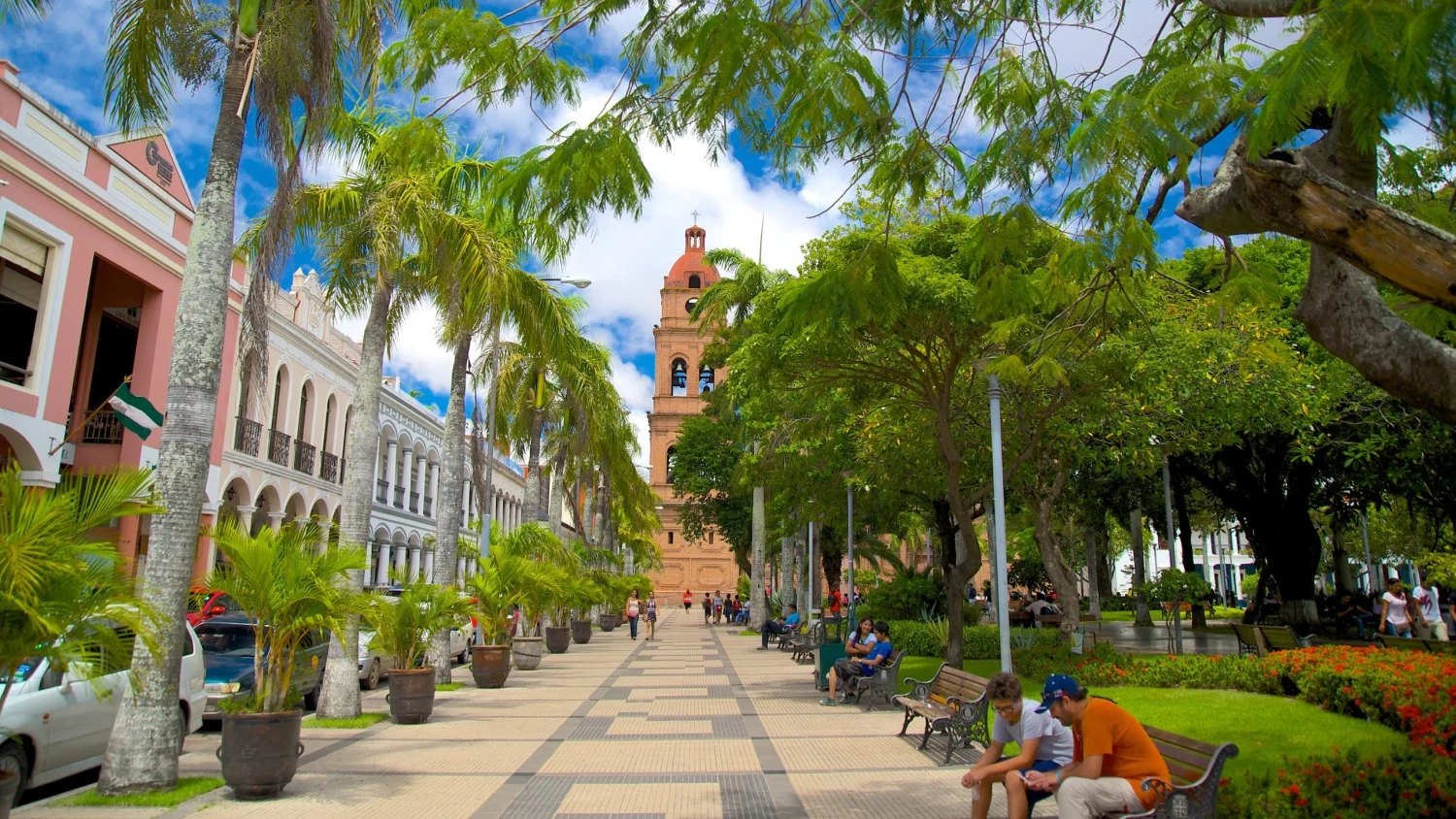
The crypto scene in Santa Cruz is functional and operational. It is not based on hype, speculation, or “to the moon” culture. People use stablecoins because they solve a real problem: holding value in a stable asset while living in a developing economy. Bitcoin and other volatile assets exist here too, but the daily usage is overwhelmingly stablecoins, primarily USDT.
Roughly 86% of crypto transactions in Bolivia are from individual users, not businesses. This is a grassroots adoption story, not a top-down corporate play.
Bolivia Blockchain Week now runs an annual conference in Santa Cruz, and Bolivia’s current president has publicly backed blockchain technology for government transparency initiatives. The political environment is, at minimum, not hostile to crypto. That matters.
The Tax Angle
Bolivia has a territorial tax system. If your income is sourced outside Bolivia, you pay 0% personal income tax on it. This applies to crypto gains from foreign-sourced assets. If you hold Bitcoin or USDT that you acquired and traded outside of Bolivia, gains on those assets are not taxable under Bolivia’s territorial system.
We covered Bolivia’s full tax structure in our guide to moving to Bolivia as an American.
For crypto holders specifically, the combination is straightforward: legal crypto ownership, integrated banking, 0% tax on foreign-source crypto gains, and a residency process that takes about 90 days and costs approximately $2,000 all-in. That is a combination that almost no other country in Latin America offers right now.
The Privacy Angle
This is where Bolivia currently stands apart.
Bolivia has not implemented the OECD’s Common Reporting Standard (CRS). That means Bolivian banks do not automatically share account information with foreign tax authorities through the CRS network. Bolivia also has not implemented the Crypto-Asset Reporting Framework (CARF), which is the newer OECD standard specifically targeting crypto reporting that 48 countries activated in January 2026.
There is no wallet reporting requirement for individuals. No mandate to report wallet addresses, transaction hashes, or counterparty information to the tax authority. Compare that to Paraguay’s Resolution 47/2026, which now requires exactly that level of detail for anyone with more than $5,000 in annual crypto transactions.
One important caveat: Bolivia joined the Global Forum on Transparency and Exchange of Information for Tax Purposes in June 2025. By joining, Bolivia pledged to eventually adopt both EOIR (Exchange of Information on Request) and CRS. There is no timeline for implementation. It could be years. But the commitment exists on paper, and the direction of travel is toward more transparency, not less.
For right now, in mid-2026, Bolivia is one of the few countries where you can legally hold crypto, convert it through your bank, and not have that activity automatically reported to anyone. How long that window stays open is an open question.
Want to get your Bolivia residency set up while the crypto privacy window is open? We handle the full residency process through our lawyer team in Santa Cruz, from documents to cedula, with the all-in cost at roughly $2,000 and about 90 days from start to finish. Reach out to us here.
Residency for Crypto Holders
Bolivia’s residency process does not require apostilled documents from your home country, which makes it one of the simplest applications in the region. You need your passport, a local medical exam, an Interpol background check (done in Bolivia, not your home country), and proof of financial solvency.
The process takes roughly 90 days from start to cedula in hand. Total cost is approximately $2,000 when handled by a lawyer. You apply in Santa Cruz, which is where you want to be anyway if crypto is part of your life here.
After three years of continuous residency, you can apply for permanent residency and you become eligible for Bolivian citizenship. Bolivia allows dual citizenship and a Bolivian passport gets you Mercosur access, meaning you can live and work in Argentina, Brazil, Uruguay, Chile, Colombia, Ecuador, and Peru without additional visas.
What Crypto Is Not in Bolivia
I want to be clear about the limitations.
You cannot use crypto to pay for goods and services at most businesses. It is not legal tender. The primary use case is holding value (USDT), converting to local currency when needed, and transferring funds internationally. That is practical and useful, but it is not a crypto payments economy.
The regulatory framework is still new. ASFI requires crypto service providers to register with financial regulators. Banks must report crypto transactions daily and check them against international sanctions lists. Bolivia is not the Wild West. It is a regulated environment that happens to be more permissive than most.
The banking system, while improving, is still a developing-country banking system. International wire transfers can be slow. Not every bank offers the same crypto services. The infrastructure works, but it does not work like a Swiss bank.
Who This Is For
If you hold meaningful crypto positions and want a legal domicile where crypto is integrated into the banking system, the tax system does not touch your foreign-source gains, there is no automatic information sharing with your home country’s tax authority, and residency is fast and cheap, Bolivia is one of the only options that checks every box right now.
It is not for everyone. Santa Cruz is a developing city. The lifestyle is different from Lisbon or Buenos Aires. The infrastructure is functional but not polished. But for crypto holders who prioritize function over aesthetics, the setup here is hard to beat.
We wrote a full comparison of the best cities in Bolivia for expats and a detailed look at Bolivia residency costs.
We get clients Bolivia residency through our lawyer team in Santa Cruz, working directly with the crypto-friendly banking system and the fastest residency process in the region. Reach out to us here to get started.