Paraguay Citizenship by Residency: The Real 2026 Timeline
Paraguay citizenship is still marketed as a three-year passport. That description leaves out the part that determines whether the plan works.
The three-year clock starts when permanent residence is granted. The current ordinary residence path normally begins with two years of temporary residence. Naturalization also requires genuine residence in Paraguay, a real local activity, clean records, and an exam before the Supreme Court process is completed.
For someone using the normal temporary-to-permanent route, the legal minimum is closer to five years before the naturalization application can even be filed. Processing comes after that.
Paraguay can still be a good citizenship plan. It is a plan for people who will actually live and build a record in the country.
The constitutional requirements
Article 148 of Paraguay’s Constitution gives four basic requirements for naturalization:
- You must be an adult.
- You must have at least three years of residence in Paraguay.
- You must regularly exercise a profession, trade, science, art, or industry in the country.
- You must have good conduct.
The Supreme Court’s Acordada 464/2007 turns those constitutional requirements into the actual procedure.
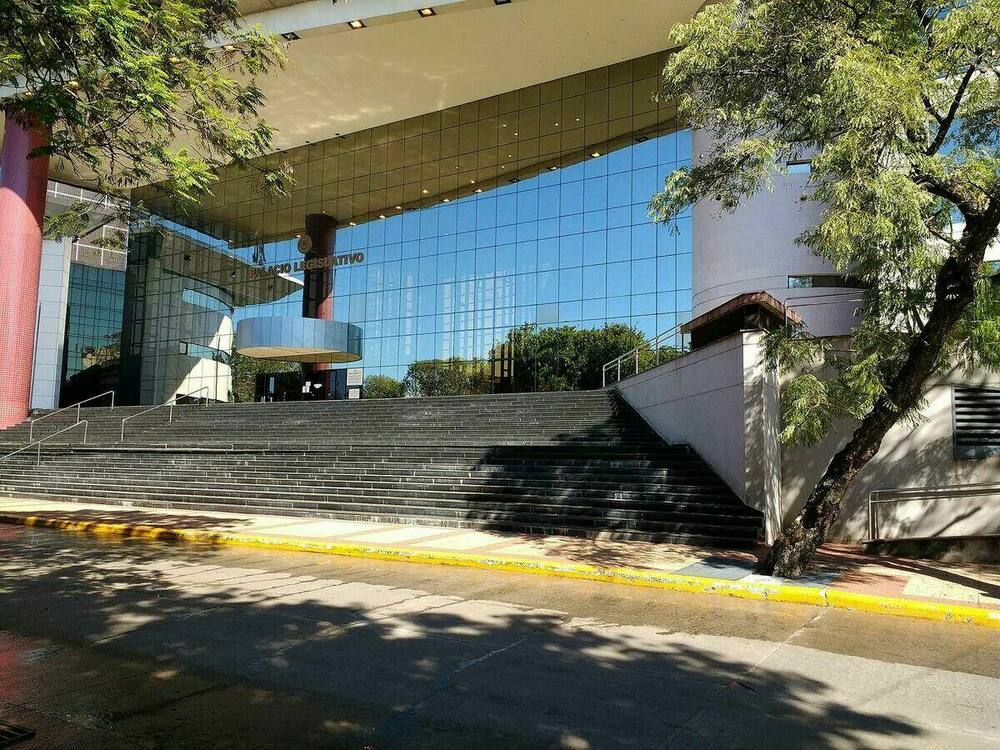
The Court’s current public checklist is even more direct: the applicant needs three years of permanent residence counted from the resolution granting permanent admission.
Temporary residence does not start the naturalization clock.
The real timeline
The ordinary path now looks like this:
| Stage | Typical legal period |
|---|---|
| Temporary residence | Up to 2 years |
| Conversion to permanent residence | File in the conversion window and wait for approval |
| Permanent residence before naturalization eligibility | 3 years |
| Naturalization procedure | Additional processing time |
The clean minimum is therefore about five years from initial temporary residence to eligibility, plus the time required to convert the status and complete the court process.
Someone who qualifies for direct permanent residence through a recognized route can start the three-year clock sooner. Paraguay’s new Investor Pass is one example for applicants who meet its investment and monitoring requirements. That is an expensive route and it still does not remove the genuine-residence requirement for citizenship.
My guide to converting Paraguay temporary residence to permanent covers the current conversion rules and the 2026 solvency categories.
You need to live in Paraguay
A person can maintain permanent immigration residence with a relatively light visit schedule. Citizenship uses a stricter standard.
Acordada 464 says the three years must be continuous residence from the permanent-residence date. It identifies two common failures:
- Keeping the real home abroad while maintaining only a commercial address or formal presence in Paraguay
- Spending more than three months outside Paraguay in any one of the three years before the application
That second point gives you a practical ceiling of roughly 90 days abroad each year during the qualifying period. The rule is framed around absences exceeding three months, so I would leave a buffer and keep a clean travel log.
The Court can verify the address, request immigration records, contact institutions, and seek information from foreign governments or consulates. A lease and utility bill help, but daily life needs to support the same story.
If you want a passport while living in Europe, Dubai, or the US for most of the year, Paraguay is the wrong three-year strategy. The residence card can still be useful. The citizenship plan will be weak.
Permanent residence is the starting line
The Supreme Court checklist requires:
- A Paraguayan cedula
- The permanent-residence card
- A residence certificate from Migraciones
- Three years counted from the permanent-admission resolution
The date printed on a temporary cedula, the date of your first trip, and the date you paid an agent do not control the citizenship clock.
Use the date of the permanent-residence resolution. Put the three-year anniversary in your calendar and build the travel, work, and document file from that date.
This also means a delayed conversion has a long-term cost. If temporary residence expires and the permanent application is filed late, the citizenship date moves with it.
You need a real activity in Paraguay
The Constitution requires regular exercise of a profession, trade, science, art, or industry in the country.
The Court’s checklist gives examples of how to prove it:
Employee: A work certificate identifying the employer, the company’s RUC, and the applicant’s IPS registration.
Merchant or business owner: A commercial license, RUC, and references from two or more companies that can speak to the applicant’s commercial conduct.
Student: A current study certificate from the institution.
Professional: The relevant degree or professional credential.
This is more than proof of money. A foreign brokerage account or pension can show solvency, but it does not show that you regularly exercise an activity in Paraguay.
For a remote worker, I would build a local compliance file around the activity: the correct RUC registration where required, consistent invoices and tax filings, a real address, professional records, and local relationships that can be verified. Have a Paraguayan lawyer and contador agree on the structure before the three-year period is nearly over.
The full document checklist
The Court’s current published requirements include:
- Postal-size frontal and profile photographs
- Authenticated copy of the Paraguayan cedula
- Authenticated copy of every passport page, including blank pages
- Authenticated, apostilled or legalized birth certificate
- Authenticated copy of the permanent-admission card
- Residence certificate from Migraciones showing the qualifying period
- Paraguayan police background certificate
- Paraguayan judicial criminal-record certificate
- Apostilled or legalized good-conduct or criminal-record certificate from the country of origin
- Proof of work, business, study, or professional activity
- Curriculum vitae
- A sworn declaration signed personally through the Supreme Court’s Judicial Secretariat II
- Payment of the judicial fee
- A written naturalization petition under the sponsorship of a lawyer, with a procedural address in Asuncion
Foreign-language documents must be translated by a translator registered with the Supreme Court. Originals or authenticated copies are required.
The applicant must appear personally to sign the sworn declaration. A lawyer can prepare and sponsor the file, but cannot replace that appearance.
The exam
The Court tests basic knowledge of:
- One of Paraguay’s official languages
- Paraguayan history
- Paraguayan geography
- The constitutional rules on loss of nationality
The exam can be oral or written. The President of the Court or a designated representative evaluates it.
In practice, Spanish is the sensible language for most foreign applicants. You do not need to sound Paraguayan. You need enough functional language to understand the process, answer ordinary questions, and demonstrate a real connection to the country.
Do not wait until the filing date to start. Someone who has genuinely lived and worked in Paraguay for three years should be able to prepare for the history and geography portion without turning the exam into a crisis.
What happens after filing
Naturalization is handled exclusively by the Supreme Court with the participation of the Attorney General.
The Court reviews the documents, obtains police and judicial reports, and can order additional verification. Once the evidentiary file is complete, the regulation gives the Attorney General five days to issue an opinion. It then gives the full Court up to 30 days to grant or deny the petition.
Those deadlines apply near the end of a complete process. They do not mean the passport arrives 35 days after the first filing. Collecting reports, correcting documents, completing the exam, and getting the file ready for a final decision can take much longer.
After approval, the applicant takes an oath of loyalty and receives the Carta de Naturalización. The Court then communicates the result to the relevant executive, migration, police, and foreign-affairs authorities.
Nationality, citizenship, and the passport
The Carta de Naturalización proves Paraguayan nationality.
Paraguay’s Constitution uses “citizenship” in a narrower political sense. A naturalized Paraguayan becomes a citizen two years after obtaining nationality. That constitutional distinction affects political citizenship. It does not turn the naturalization letter into a two-year waiting document for every ordinary civil purpose.
Once the civil identity records are updated and a Paraguayan cedula is issued in the new status, the person can apply for a Paraguayan passport through the Police Department of Identifications.
The official passport page says the passport is valid for five years and requires a current cedula plus a tax-compliance certificate or proof that the applicant is not a taxpayer.
Paraguay’s public pages show conflicting passport fees. Current and older official listings range from roughly Gs. 199,000 to Gs. 240,000. Budget Gs. 250,000 and verify the charge with Identificaciones when booking. The passport fee is a minor part of the naturalization budget.
Dual nationality needs individual advice
Do not assume Paraguay recognizes every dual-nationality combination.
Article 149 of the Constitution says multiple nationality may be admitted through an international treaty based on constitutional reciprocity. Article 150 says a naturalized Paraguayan can lose nationality through an unjustified absence of more than three years declared judicially, or by voluntarily acquiring another nationality.
The effect on a nationality you already hold depends on Paraguayan law, your original country’s law, and any applicable treaty. The effect of acquiring a third nationality later can be different again.
Get written advice for your specific combination before naturalizing. A generic claim that Paraguay “allows dual citizenship” is too broad for a life decision.
Keeping nationality after it is granted
The Constitution allows the nationality of a naturalized Paraguayan to be lost after an unjustified absence from Paraguay of more than three years, if that loss is declared judicially.
Acordada 464 provides a way to notify the Court when work, study, or another justified reason requires a longer absence. If the notice was not made in advance, the person can document the circumstances through a Paraguayan consulate.
This deserves attention from anyone who plans to obtain the passport and immediately leave the country. Naturalization creates a continuing legal relationship with Paraguay. Keep records, retain a real connection, and document any long absence.
What it costs
The Supreme Court currently publishes a judicial fee of Gs. 43,051 for the naturalization petition. That number makes the process sound almost free.
The real costs are elsewhere:
- Lawyer preparation and sponsorship
- Authenticated copies
- Apostilles or legalization
- Registered translations
- Fresh background certificates
- Work, tax, and commercial compliance
- Travel and residence in Paraguay during the qualifying years
- Updating the cedula and obtaining the passport after approval
A clean local file is cheaper than repairing three years of weak residence evidence. The biggest investment is living in Paraguay long enough to qualify honestly.
Common mistakes
Counting temporary residence. The Court counts from the permanent-residence resolution.
Spending most of the year abroad. Absences over three months in any qualifying year can defeat continuity.
Using a shell address. A commercial address does not replace a real Paraguayan home.
Showing wealth without local activity. The Constitution requires regular exercise of a profession, trade, science, art, or industry.
Ignoring old foreign documents. The Court asks for a foreign birth certificate and criminal or good-conduct record with the correct apostille or legalization.
Assuming the final court deadlines cover the whole case. They apply after the evidence has been assembled and reviewed.
Treating dual nationality as automatic. The constitutional rule is narrower and needs nationality-specific advice.
Who should use Paraguay as a citizenship plan
Paraguay works if you want to live in Asuncion or another Paraguayan city, maintain a local activity, learn Spanish, and spend at least nine months of each qualifying year in the country.
It also works for someone pursuing a direct permanent route who genuinely plans to build a life in Paraguay.
It does not work well for a perpetual traveler collecting residence cards, a person who needs to remain in a home country for most of the year, or someone whose only Paraguayan connection is a lawyer’s office address.
For a low-presence Plan B, keep the permanent residence and cedula. For a passport, treat Paraguay as a country you are moving to.
Getting started
The first step is choosing the right residence path and understanding when permanent residence will actually be granted. The second is building the physical-presence and local-activity file from day one of permanent status.
We handle Paraguay residence and permanent conversions through our team in Asuncion. If citizenship is the end goal, say that at the start so the residence, travel, work, tax, and document plan all point in the same direction. Reach out here to map the timeline.
Official sources
- Paraguay Constitution, Articles 148 to 152
- Supreme Court: current Carta de Naturalización requirements
- Supreme Court Acordada 464/2007, Articles 37 to 60
- Police Department of Identifications: passport requirements
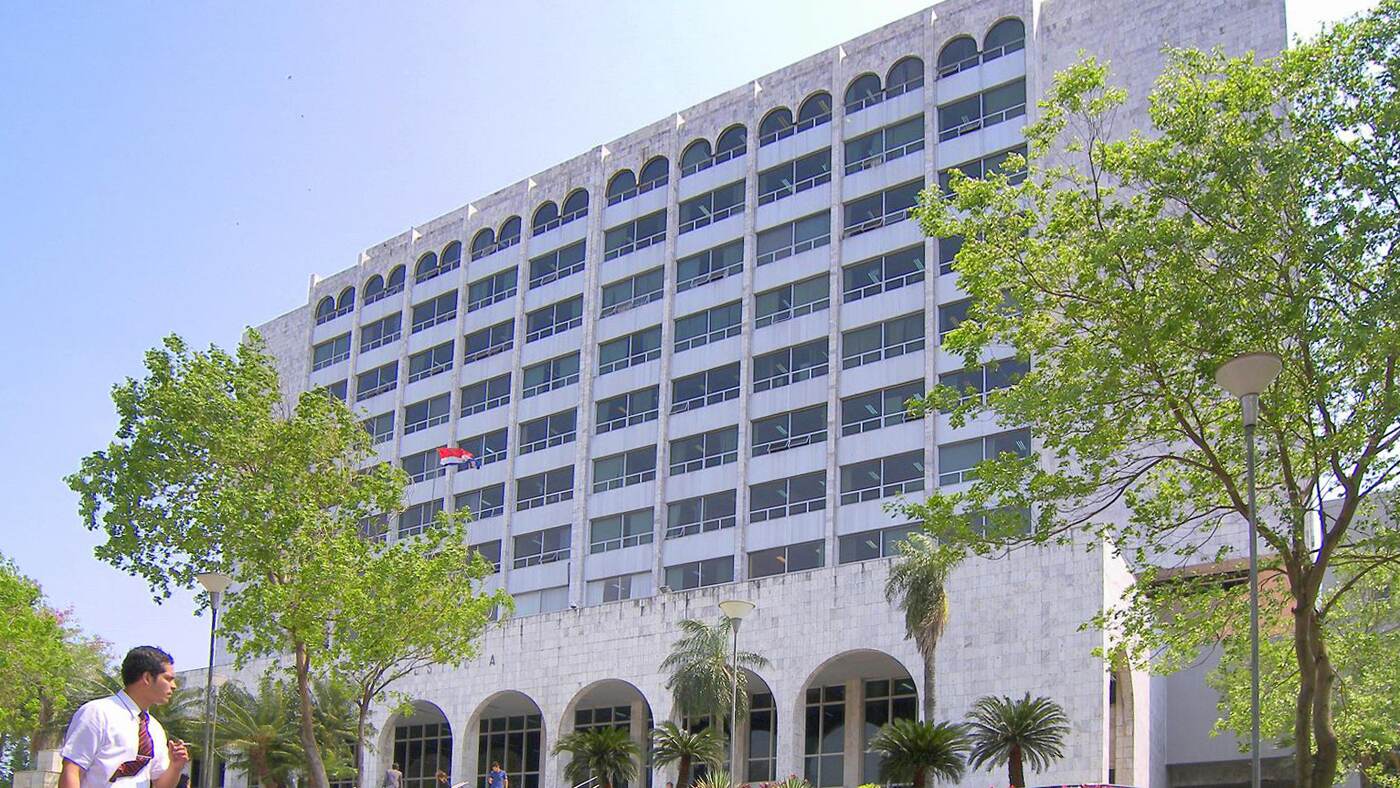
Cover image: “Palacio de Justicia Paraguay by Felipe Méndez” by FF MM, via Wikimedia Commons, CC BY-SA 3.0. Cropped and resized for web.
