Uruguay vs Portugal: Which Plan B Is Right for You in 2026
Portugal has been the default Plan B for Americans and global investors for the better part of a decade. The Golden Visa, the NHR tax regime, a path to EU citizenship in five years, and a quality of life that made it easy to actually spend time there. It was the complete package.
In 2026, that package looks very different. Portugal ended NHR in January 2024. The replacement (IFICI) is narrower and harder to qualify for. Real estate was removed as a Golden Visa investment route in October 2023. And in May 2026, President Seguro signed a law extending the citizenship eligibility timeline from five years to ten. For anyone who has not already started, Portugal just became a much longer, more expensive, and less tax-efficient path than it used to be.
Uruguay has been quietly building the opposite case. Permanent residency from day one, an 11-year tax holiday on foreign income, a stable banking system, and a citizenship path in three to five years. It does not have EU access, but for Americans who are building a Plan B for tax, asset protection, and optionality rather than a European lifestyle play, Uruguay is increasingly the stronger option.
I help people set up residency across South America and work closely with a law firm in Montevideo that processes about 100 residencies per year. This is a direct comparison of where both programs stand right now.
Residency: How You Get In
Portugal Golden Visa. The minimum investment is now a €500,000 subscription into a qualifying Portuguese investment fund (venture capital, private equity, or similar). The real estate route was removed in 2023. Other options include creating 10 full-time jobs or investing €500,000 into an existing company with at least 5 new hires. The minimum physical presence requirement is roughly 7 days per year.
The Golden Visa gives you a residence permit that you renew every two years. It is not permanent residency. You move from temporary to permanent after five years, and then you can apply for citizenship. That citizenship timeline is now ten years from the date your residency is granted, up from five under the old rules.
Uruguay. There is no rigid minimum investment for standard residency. You need to demonstrate stable income of approximately $1,500 per month, which can be remote work, investments, pension, rental income, or dividends. Your lawyer structures the income documentation with a Uruguayan notary.
Uruguay grants permanent residency directly. There is no temporary phase. You file your application in Montevideo, receive a temporary cédula while it processes, and within six to twelve months you have permanent residency. The only requirement to maintain it is entering Uruguay at least once every three years.
For the investment-based route to Uruguay’s tax holiday specifically, the new threshold as of January 2026 is approximately $2 million in Uruguayan real estate. But the physical presence route (183 days per year, no investment) remains available with no investment requirement at all.
Portugal requires at least €500,000. Uruguay requires $1,500 per month in income. The barrier to entry is not comparable.
Tax Benefits: The Real Comparison
This is where the picture has shifted most dramatically.
Portugal NHR (ended). The Non-Habitual Resident regime was Portugal’s biggest draw for global investors. Foreign-sourced dividends, interest, and certain capital gains were exempt from Portuguese taxation. Local employment income from qualifying activities was taxed at a flat 20%. It was available for ten years.
NHR ended for new applicants in January 2024. The replacement, called IFICI (Tax Incentives for Scientific Research and Innovation), is significantly narrower. It targets specific professions: researchers, scientists, tech professionals, and certain startup employees. The 20% flat rate and some exemptions remain, but the broad eligibility that made NHR accessible to investors, retirees, and remote workers is gone.
If you do not qualify for IFICI, Portugal’s standard tax rates apply. That means progressive rates up to 48% on income, plus a solidarity surcharge on higher earnings. Portugal is no longer a tax-efficient destination for the average high-net-worth individual.
Uruguay 11-year tax holiday. Uruguay offers new tax residents a full exemption on foreign-sourced capital and investment income for the year they become tax resident plus ten additional calendar years. During those 11 years, foreign income (dividends, interest, capital gains, rental income, royalties) is taxed at 0%.
After the 11 years, there is a five-year transition period at 6%, and then the standard 12% rate on foreign income applies.
Here is the critical detail that makes this powerful: tax residency is separate from immigration residency. You become a Uruguayan tax resident only by spending 183 or more days per year in the country. If you do not spend 183 days, you hold your permanent residency but you are not a tax resident. Uruguay’s tax system does not apply to you at all.
This means you can get your permanent residency now, maintain it with one visit every three years, and activate the tax holiday whenever you are ready by spending 183 days in a given year. The 11-year clock starts when you trigger it, not when you get your residency. That optionality does not exist in Portugal or anywhere else in Europe.
Citizenship Timeline
Portugal: Ten years from residency approval under the new law signed in May 2026. Previously five years. Portugal allows dual citizenship. A Portuguese passport gives you EU citizenship and visa-free access to 180+ countries.
Uruguay: Three years if married, five years if single. Uruguay allows dual citizenship. A Uruguayan passport provides visa-free access to 150+ countries including the EU (Schengen area, 90 days).
Portugal used to have the faster path. It no longer does. Uruguay is now faster to citizenship by five to seven years depending on your situation.
Cost Comparison
Portugal Golden Visa total cost. €500,000 minimum fund investment, plus legal and administrative fees of approximately €10,000 to €20,000, plus government processing fees of approximately €5,000 to €8,000. You are looking at roughly €520,000 to €530,000 minimum to get started. The fund investment is not a sunk cost (you retain ownership), but the capital is locked in a fund for several years and you are taking market risk.
Uruguay residency total cost. Approximately $2,850 per person for a fully handled permanent residency through a law firm (legal fees plus government and administrative costs). No capital lock-up. No fund investment. No real estate purchase required for basic residency.
The gap is enormous. Portugal requires half a million euros of committed capital. Uruguay requires proof of $1,500 per month in income and about $3,000 in processing costs. For the HNW audience considering both, the capital efficiency difference is striking.
Physical Presence
Portugal: Roughly 7 days per year to maintain Golden Visa residency. More time required as you approach citizenship. The new 10-year timeline means a longer commitment of annual visits.
Uruguay: Once you have permanent residency, you need to enter the country at least once every three years. That is it. If you want the tax holiday, you need 183 days per year. But residency maintenance alone is one visit every three years.
For a true Plan B where you want a legal footprint without relocating, Uruguay requires dramatically less presence.
We wrote a full breakdown of how Uruguay’s permanent residency works with zero days required during the application process.

Banking and Financial Infrastructure
Portugal has solid European banking. Well-regulated, internationally connected, and SEPA-integrated for easy euro transfers. However, Portuguese banks have become more cautious with foreign clients since NHR ended, and account opening for non-EU nationals has gotten more bureaucratic.
Uruguay is known as the Switzerland of South America for a reason. The banking system is stable, well-regulated, and built to handle international clients. Accounts are available in US dollars, euros, and Uruguayan pesos. Privacy protections are strong by Latin American standards. For Americans, Uruguay is more accommodating than most South American banking systems.
Both countries have functional banking. Portugal gives you EU financial integration. Uruguay gives you dollar-denominated stability and a banking system accustomed to foreign capital.
Looking for a Plan B without the half-million euro price tag? We get clients permanent residency in Uruguay in about 3 days in country, working directly with our partner law firm in Montevideo. Reach out to us here.
Quality of Life
This is the one area where Portugal still has a clear edge for many people. Lisbon and Porto are world-class European cities. The food, the weather, the culture, the Schengen access that lets you travel across Europe freely. If you plan to actually live somewhere, Portugal is hard to beat.
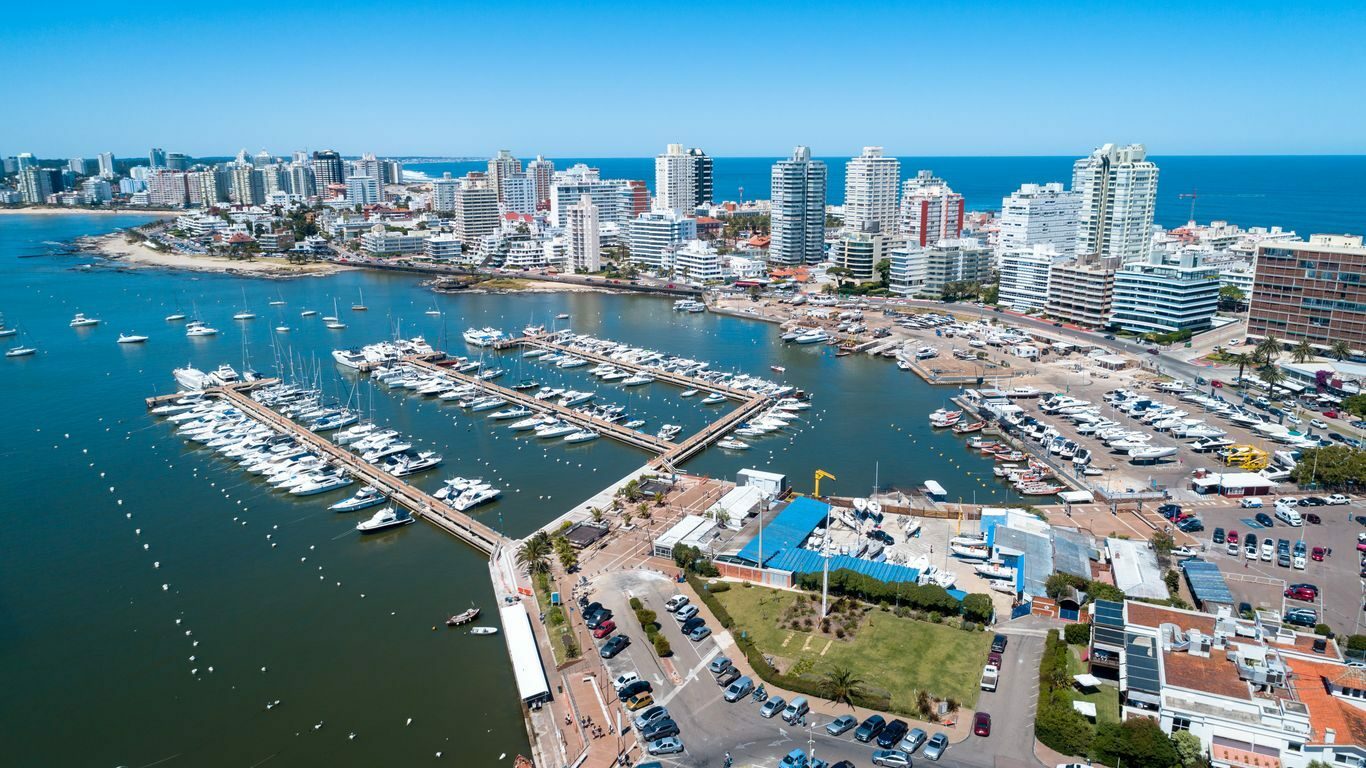
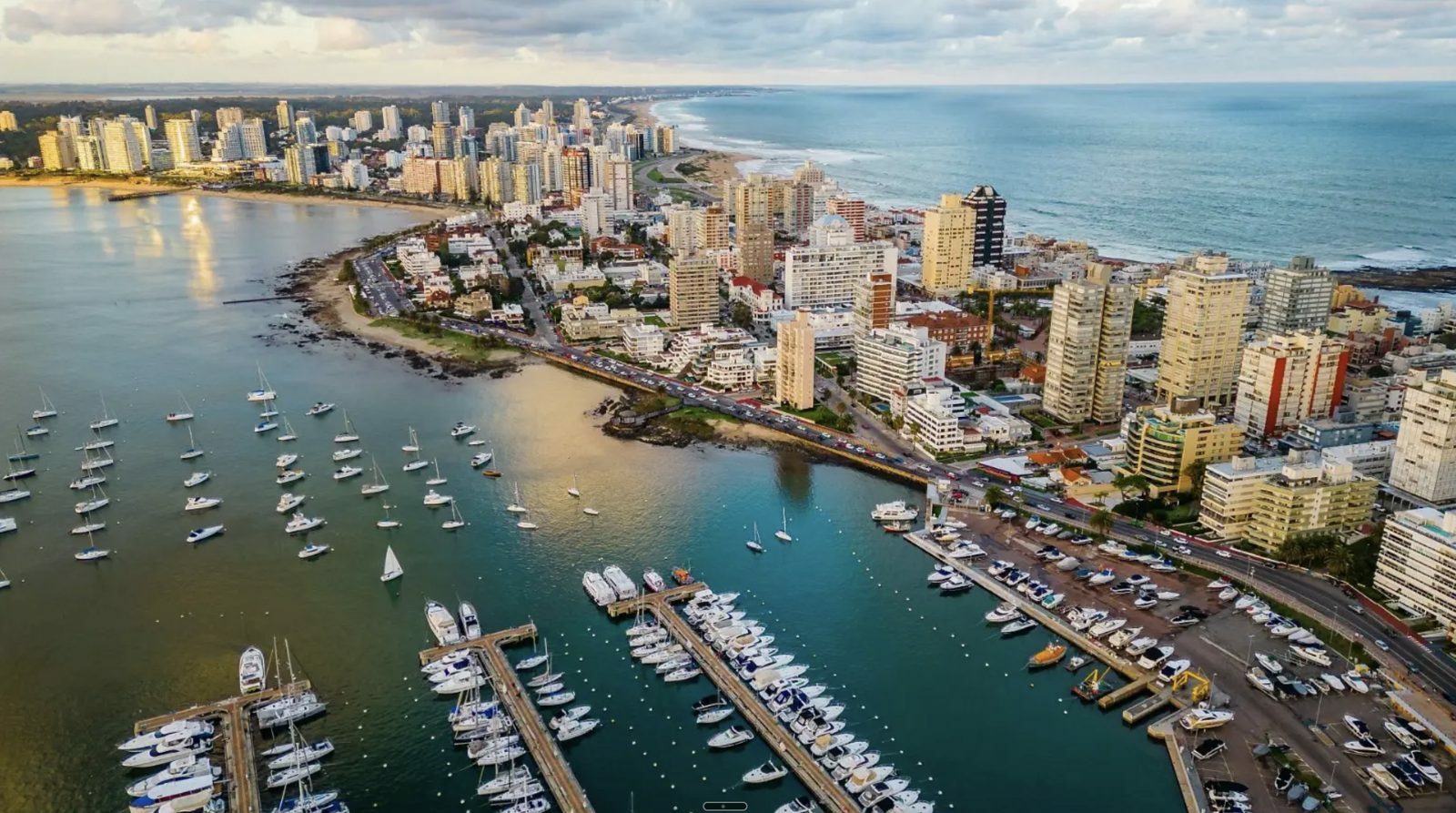
Montevideo is a different proposition. It is safe, clean, well-maintained, and has a strong quality of life by South American standards. The Rambla waterfront is beautiful. Punta del Este is a world-class beach destination. But it is not Europe, and for people who want European culture and EU freedom of movement, Uruguay is not a substitute.
The question is whether you are buying a Plan B or buying a lifestyle. If you are relocating to Europe, Portugal still makes sense despite the changes. If you are building optionality, asset protection, and tax efficiency without necessarily moving, Uruguay is the better deal by almost every metric.
Who Should Pick Portugal
You should pick Portugal if you want EU citizenship and Schengen access as a core part of your plan, you are willing to commit €500,000+ and wait ten years, you plan to actually live in Europe, or you qualify for IFICI and can access the replacement tax regime.
Who Should Pick Uruguay
You should pick Uruguay if you want the fastest and cheapest path to a second residency, you want tax optionality without relocating, you value banking stability and financial privacy, you want citizenship in three to five years instead of ten, or you are looking for a Plan B that requires minimal capital commitment and minimal time in the country.
For a lot of Americans who were looking at Portugal before the 2024 and 2026 changes, Uruguay now offers a better risk-adjusted deal. Lower cost, faster citizenship, better tax optionality, and less physical presence required.
We get clients Uruguay permanent residency, working directly with our partner law firm in Montevideo that processes about 100 residencies per year. Reach out to us here to get started.