Bolivia Retirement Visa in 2026: The Route Retirees Actually Use
Bolivia can be an excellent retirement country. Santa Cruz is warm, private healthcare is affordable, and a comfortable life costs far less than it does in the US or Western Europe.
The immigration side needs an honest explanation. Bolivia does not publish a dedicated retirement or pensioner residence category. A foreign pension can prove that you have money to live on, but it does not create a “retirement visa” by itself.
I live in Santa Cruz and went through Bolivia’s residence process myself. Retirees can still get residence here, but the application has to fit one of the legal categories Bolivia actually uses.
This is the 2026 picture, including the routes that work, the presence requirement, and the permanent-residence timeline.
Bolivia has no pensioner category
Bolivia’s migration regulations list temporary residence for these purposes:
- Study
- Work
- Health
- Family
- Humanitarian reasons
Retirement and passive income do not appear as their own categories.
That puts Bolivia in a different position from Panama, Costa Rica, Colombia, and Chile. Those countries have published pension or rentista routes with income rules built around retirement benefits. Bolivia asks what lawful activity or connection supports your stay.
If an agent tells you that a Social Security letter automatically qualifies you for a Bolivian pensioner visa, ask them to identify the category on the application. The answer needs to match the documents submitted to DIGEMIG.
The routes a retiree can use
For most retirees, the relevant options are work, family, or study. Only some of them support a later permanent-residence plan.
Work-based temporary residence
Bolivia’s work category covers remunerated or profit-making activity with or without an employment relationship. It can include independent professional or business activity where the evidence supports work being carried out in Bolivia.
This route can fit a semi-retired person who still consults, manages a business, performs professional services, or has another legitimate economic activity.
A pension and bank statements help prove solvency. They do not replace the work basis. The file still needs documents showing the activity and why the applicant is in the work category.
This is the route most likely to make sense for a typical Jack’s World client who calls themselves retired but still owns a business or does some paid work online. The professional activity must be real enough to defend if DIGEMIG asks for additional evidence.
Family-based temporary residence
Family residence can fit someone with a Bolivian spouse, partner, child, parent, or another qualifying relationship under the migration rules.
This is usually the cleanest route when the relationship exists. The documents depend on the exact connection and may include civil-status records, proof of dependency, or local registrations.
Student residence
A retiree can enroll in a legitimate course of study, including an appropriate Spanish program, and use the student category if the institution and program meet DIGEMIG’s requirements.
There is a major limitation: Bolivia’s published regulation says temporary residence by study does not lead to permanent residence. It can be useful for someone who wants a lawful stay while studying, but it should not be sold as a straight path to permanent status.
Health residence
Temporary residence for health is designed for specialized medical treatment. It lasts for one year at a time while the treatment continues.
The regulation says that time under the health category stops counting as uninterrupted residence after two years and does not lead to permanent residence. Ordinary retirement healthcare needs are not enough. The category requires an actual treatment basis.
Which route is best
If you want permanent residence, I would start with this order:
- Family, if you genuinely qualify through a Bolivian relationship.
- Work, if you continue to perform a real paid or profit-making activity.
- Study, if the goal is a temporary stay and learning Spanish rather than permanent residence.
A fully retired person with only a pension, no family connection, and no ongoing economic activity does not fit neatly into the published permanent-residence track. That person should get a written category analysis from a Bolivian immigration lawyer before paying a package fee.
Bolivia remains attractive, but the country is better for retirees who still have an active professional life or a qualifying family connection.
Starting the process in Bolivia
Bolivian law allows a person who entered legally for tourism or a visit to change into temporary residence for work, study, health, family, or humanitarian reasons, subject to the requirements for the new status.
For Americans, entry became easier on December 1, 2025. Bolivia moved US passport holders into its visa-free tourist group. The US State Department’s current Bolivia page confirms that US citizens can visit for tourism or business for less than 90 days in a year without a visa.
The visa waiver covers the initial visit. Residence is a separate process. Work, study, and family cases require the documents connected to that purpose, and some applicants may need a visa de objeto determinado depending on nationality, entry status, and the route being used.
My main residency guide explains the standard process. Do the category review before arrival. It is much easier to bring the right records than to discover in Santa Cruz that a foreign document must be replaced or legalized.
The document set
The core temporary-residence requirements under the regulation include:
- The DIGEMIG application form
- A valid passport or accepted national identity document
- The applicable visa or transitory status
- Proof of the purpose of residence
- Current national and international criminal-record evidence as applicable
- A medical certificate from the competent institution
- Proof of economic solvency
- A current photograph
- Payment of the government fee
DIGEMIG can request additional documents when the case requires them.
The purpose evidence changes by category. A work file may use contracts, business documents, professional records, or sponsor evidence. A family file relies on civil records. A student file needs enrollment evidence from a qualifying institution.
This is why a universal “show up with your passport” checklist is too broad. Some cases can be assembled mostly on the ground. Others need documents from abroad. Your nationality and residence basis determine the real list.
One, two, or three years
Bolivia can issue temporary residence for one, two, or three years depending on the duration and purpose of the activity.
The residence period should match the evidence. A one-year contract supports a different request from a continuing business activity or long-term family connection.
The key permanent-residence rule is three years. Article 31 of Law 370 says permanent residence is available to foreigners with at least three years of residence who apply for it. The implementing regulation repeats the three-year requirement.
Plan around three years of qualifying, uninterrupted temporary residence. A two-year card can reduce the number of renewals, but it does not reduce the statutory permanent-residence period to two years.
The 90-day absence rule
Temporary residents can lose or interrupt their residence if they spend more than 90 calendar days outside Bolivia during a year without express authorization.
The current text says those days can be continuous or discontinuous. Multiple shorter trips count toward the annual total.
This is the biggest practical tradeoff in Bolivia. A retiree who lives in Santa Cruz for nine or ten months and takes a few trips can manage it. Someone splitting the year evenly between Bolivia and the US cannot.
Build a travel log and leave a buffer. Do not plan exactly 90 days abroad and hope every exit date is counted the way you expect.
Once permanent residence is granted, the rule becomes much easier. A permanent resident can be absent for up to two continuous years without authorization.
Tax treatment of pensions and remote work
Bolivia’s tax system focuses on Bolivian-source income. A pension arising from service and a plan outside Bolivia will often be analyzed differently from rent, investments, or work performed inside the country.
Do not assume every payment from abroad is tax-free. Bolivia’s tax authority taxes services physically performed in Bolivia in several situations, including work under contracts with foreign entities. The location of the bank account does not decide the source by itself.
A retiree receiving only a foreign pension often has a simpler analysis than a semi-retired consultant working from Santa Cruz. Have a Bolivian accountant classify each stream before treating the local tax bill as zero.
Americans also remain subject to US federal tax rules and reporting. Moving to Bolivia does not end that obligation.
What retirement in Santa Cruz costs
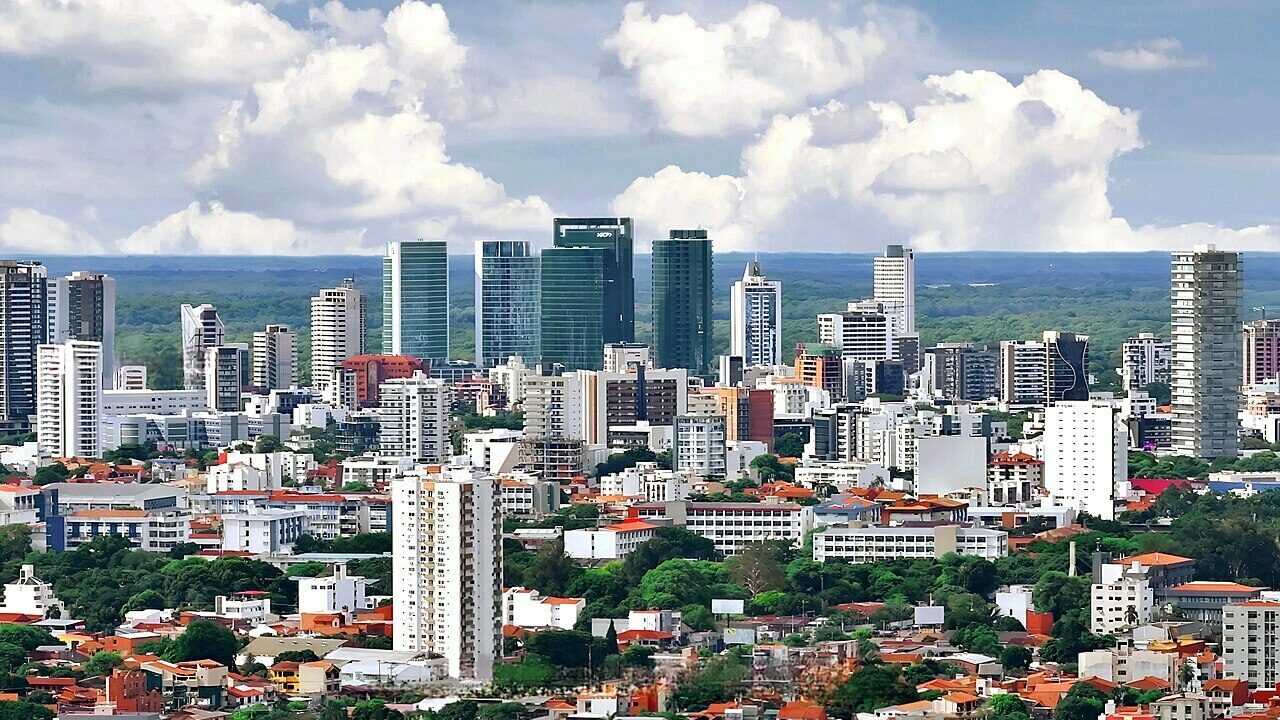
Santa Cruz gives retirees the best balance of warm weather, private healthcare, modern apartments, and easy daily life.
A realistic monthly budget for one person is:
| Expense | Comfortable monthly range |
|---|---|
| Furnished one-bedroom apartment | $350 to $600 |
| Utilities and internet | $70 to $140 |
| Groceries | $200 to $350 |
| Restaurants and transport | $200 to $400 |
| Private health insurance or medical budget | $100 to $300 |
| Total | $920 to $1,790 |
You can live below that. I would rather give a retiree a budget with room for air conditioning, private doctors, and the occasional flight than pretend $700 a month covers a comfortable imported lifestyle.
Start in Equipetrol. It has the easiest mix of apartments, restaurants, clinics, gyms, supermarkets, and walkability for someone arriving from abroad. After a month, you can decide whether you want more space in Sirari, Urubó, or another part of the city.
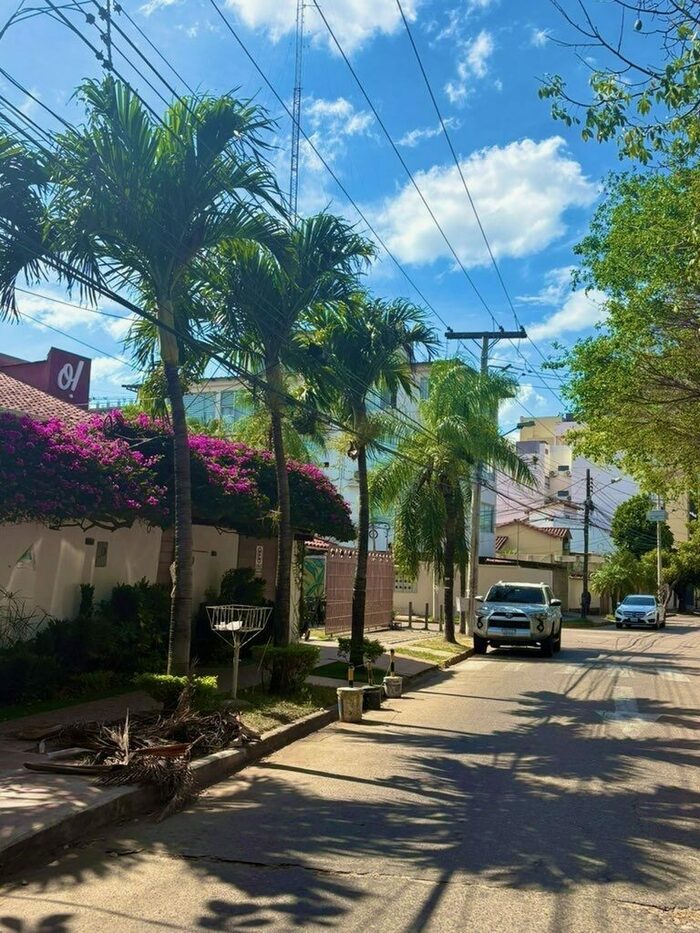
My guides to the cost of living in Santa Cruz and the best neighborhoods in Santa Cruz cover the daily-life side in detail.
Healthcare
Routine private healthcare in Santa Cruz is inexpensive by US standards. Private consultations often cost less than a US insurance copay, and common tests can be arranged quickly.
The limitation is depth. Bolivia is fine for ordinary care, diagnostics, dentistry, and many planned procedures. A person with a rare condition or a need for highly specialized treatment should identify the right hospital and specialist before moving. Some retirees keep international coverage or a medical plan that allows treatment in Brazil, Argentina, Chile, or the US.
Bring a list of medications and check local availability by generic name. Do this before the move, especially for controlled medication or a drug that requires cold-chain storage.
What the full process costs
Government fees are only one part of the total. Medical checks, criminal-record documents, local certificates, translations where needed, legal help, and the foreigner cedula all add to the file.
For a straightforward independent-work case handled end to end in Santa Cruz, our residency package is $1,800 for the whole process, including all government and legal fees. That is a service figure for a coordinated case, not a statutory government price for a retirement visa.
The final amount depends on the route and documents. A family case with foreign civil records can cost more. A work case with a clean local setup can be simpler.
Who Bolivia works for
Bolivia is a strong retirement option if you:
- Want to live in the country most of the year
- Have a real work, business, or family basis for residence
- Prefer Santa Cruz’s warm climate and low costs
- Can manage daily life in Spanish
- Value affordable private healthcare and domestic help
- Are comfortable with a developing-country bureaucracy
It is a poor fit if you:
- Need a published pension-only residence category
- Want to spend more than 90 days abroad each year during temporary residence
- Need a student route to lead directly to permanent residence
- Have complex medical needs that require a major international center
- Want a paper residence with almost no time in the country
For the last group, Paraguay or Uruguay usually makes more sense.
Getting started
The first question is the residence category. A pension proves solvency. Work, family, study, or health provides the legal purpose.
Through Bolivia Pathways, we handle Bolivia residence cases directly with lawyers in Santa Cruz and review the route before the client books the trip. Reach out here if you want to confirm that your retirement plan fits a published category and a three-year path you can actually maintain.